

Sunrise Concertante
Pleased to have my poem Sunrise Concertante up on Paul Brooke’s The Wombwell Rainbow
Do pop along and take a peep. Go HERE
Pleased to have my poem Sunrise Concertante up on Paul Brooke’s The Wombwell Rainbow
Do pop along and take a peep. Go HERE
It’s a delight today to introduce poet, Sue Finch, to Patricia’s Pen. Sue has come along to tell my readers about her poetry journey. Without further ado, it’s over to Sue.
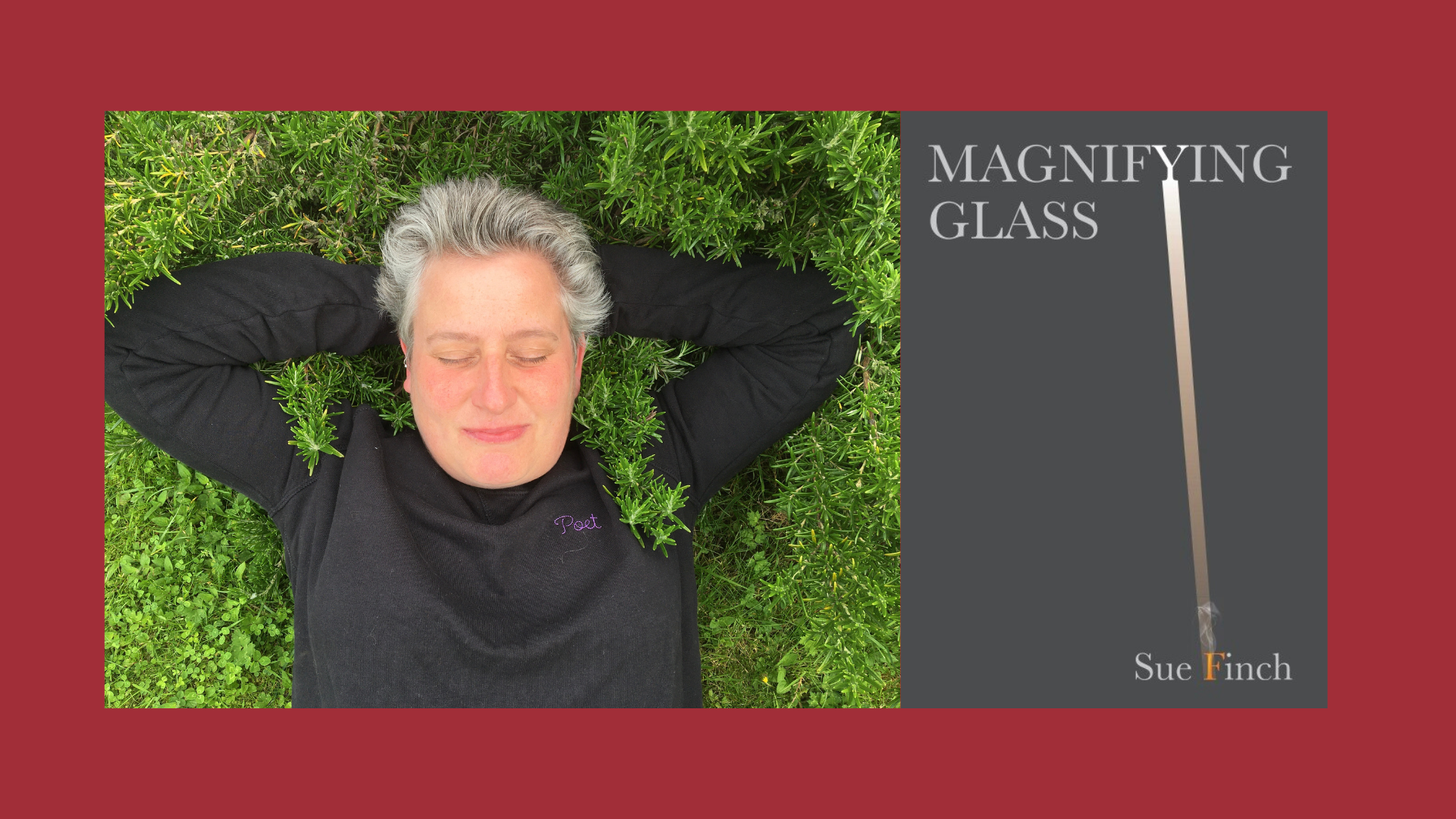
Sue Finch
My poetry journey began when I was chosen, aged ten, to read one of my poems at my primary school’s Harvest Festival. My mum and nan were in the audience, and I loved the fact there was a lectern and I was reading. A kind teacher rolled my sleeves up for me before I took my place!
At teacher training college I studied creative writing, and Vicki Feaver was one of my tutors. I have happy memories of creating and redrafting my poems whilst listening to Leonard Cohen before bringing them to the workshopping sessions. When I saw Vicki’s poems that I admired in print, I felt drawn to setting this as a goal for myself and imagined how wonderful it must feel to be a published poet. I wanted to set my words down for others to read.
A full-time job took me away from most of my writing until I realised that I was far from my goal of being published and was desperately missing the buzz of creating poems. I signed up for an online MA with Manchester Metropolitan University, and thoroughly enjoyed the balance and joy this brought. This led to working with Anna Saunders as a mentor with the aim of drafting a full collection. My debut collection Magnifying Glass developed and was later published by Black Eyes Publishing UK.

“Magnifying Glass focuses the lens on moments in time and carries the reader from childhood to adulthood. The title poem recalls one of Sue’s brother’s experiments in the garden with his new magnifying glass and its ability to focus sunlight to make fire. The poems are at times dark (Hare Mother reflects on a woman leaving an abusive relationship), occasionally twisted (The Red Shoes is a fairy-tale-inspired poem that begins with a meeting in a shoe shop) and often poignant (No Second Chance recounts an autobiographical moment where poor use of an axe to chop wood has unfortunate consequences). The final poem, Graphene, is a love poem as well as a celebration of carbon atoms.”
Whilst I love writing in workshops and from prompts, nothing beats the feeling of a line emerging all by itself demanding to be written into a full piece. I sometimes write from dreams and love the feeling of rushing to find a blank page in my journal on which to scribe the images and find out if a poem will be formed.
During lockdown I challenged myself to notice things on the drive to work each morning – a shorter version of Ian Macmillan’s morning tweets that needed to fit into the time it took from switching on my computer to being fully logged in. These tweets gave me a sense of being alive during a difficult time and allowed me to see the small details in the changes of the seasons. My full moon poems came about in a similar way when I realised that I was in my fifties, told people I loved the moon, and had not yet learned the full moon names.
Here’s one of Sue Finch’s poems – Flamingo – You can hear Flamingo being read over on IambaPoet
FLAMINGO
after Liz Berry
The night she bent my elbows
to fit the candy floss cardigan
for the twenty-third time, my limbs turned to wings.
She wished me to be a pink girl.
My neck grew and grew,
elongating, extending,
black eyes, shrunk in the pink like submerged pea shingle.
Light in my fan of feathers,
I was lifted like a balloon puffed with helium.
Body and wings held stately,
magically anchored by one leg,
miniature rough patellas marked my hinges.
When the scent entered half-moon holes in my new beak
I could have salivated at the raw rip of scaled flesh
but my juices would not run – I was gizzard now.
I couldn’t bear the confinement of the flock but flight
had me fearful.
Passing through flamingo phase I fattened, darkened.
A birch broom in a fit,
I shook my thick cheeks side to side
became a dodo
with a waddle in my walk that slowed.
She sent my father then. He came alone
with gun and incongruent grin
and shot me dead.
Skewered me above his heaped fire under moonlight,
turned me slowly round and round.
When he turned for the sauce
I dropped;
charcoaled feathers, beak tinged with soot,
burning in the blaze.
I laughed as I rose
higher and higher;
a golden bird from the fire.

Sue Finch likes all kinds of coasts, peculiar things, and the scent of ice-cream freezers. She lives with her wife in North Wales. Her first published poem appeared in A New Manchester Alphabet in 2015 whilst studying for her MA with Manchester Metropolitan University. Her work has also appeared in a number of online magazines including: The Interpreter’s House, Ink, Sweat and Tears, iamb, Dear Reader, One Hand Clapping and IceFloe Press. Her debut collection, ‘Magnifying Glass’, was published in October 2020 with Black Eyes Publishing UK.
Links

Can you believe it’s now May? It only seems five minutes ago it was January. To celebrate Beltane, here’s a little poem about Jack-in-the-Green.
Divine Marriage is included in Taxus Baccata – my debut poetry pamphlet published by The Hedgehog Poetry Press.

Taxus Baccata is a collection of nature poetry based on myth, folklore and legend around trees. I still have a few LIMITED EDITION copies available via my website shop and scroll down.
Enjoy your day today whatever you may be doing.
Happy May Day.
Order a limited edition copy

Today for Tuesday guest feature I invite you to revisit the past features this year.
January opened with imagist poet Regine Ebner blogging about her new pamphlet Oxidized Pennies.
READ Regine Ebner’s blog HERE
Next up was memoir writer Beth Haslam with Fat Dogs and Welsh Estates, a prequel to the lovely Fat Dogs in France.
READ Beth Haslam’s blog HERE
January also gave us poet Damien Posterino and his collection Show me the way into Exile
READ Damien Posterino’s blog HERE
The last feature in January came from novelist Judith Barrow blogging about her new release Sisters.
READ Judith Barrow’s blog HERE
February was opened with novelist Mick Arnold blogging about his new release The Lumberjills.
READ Mick Arnold’s blog HERE
Next up was novelist Anna Shenton with the release of Maggie’s Secrets
READ Anna Shenton’s blog HERE
Following Anna was poet and children’s writer Helen Laycock blogging about her poetry.
READ Helen Laycock’s blog HERE
February closed with poet, Alan Parry, blogging about his writing.
READ Alan Parry’s blog HERE
March brought crime fiction novelist Val Penny and the launch of The First Cut
READ Val Penny’s Blog HERE
April opened and closed with poet Merril Smith blogging about her poetry collection River Ghosts.
READ Merril Smith’s blog HERE
Patricia’s Pen returns next week with its Tuesday Guest Feature and poet Sue Finch – Don’t miss it. Why not follow the blog?
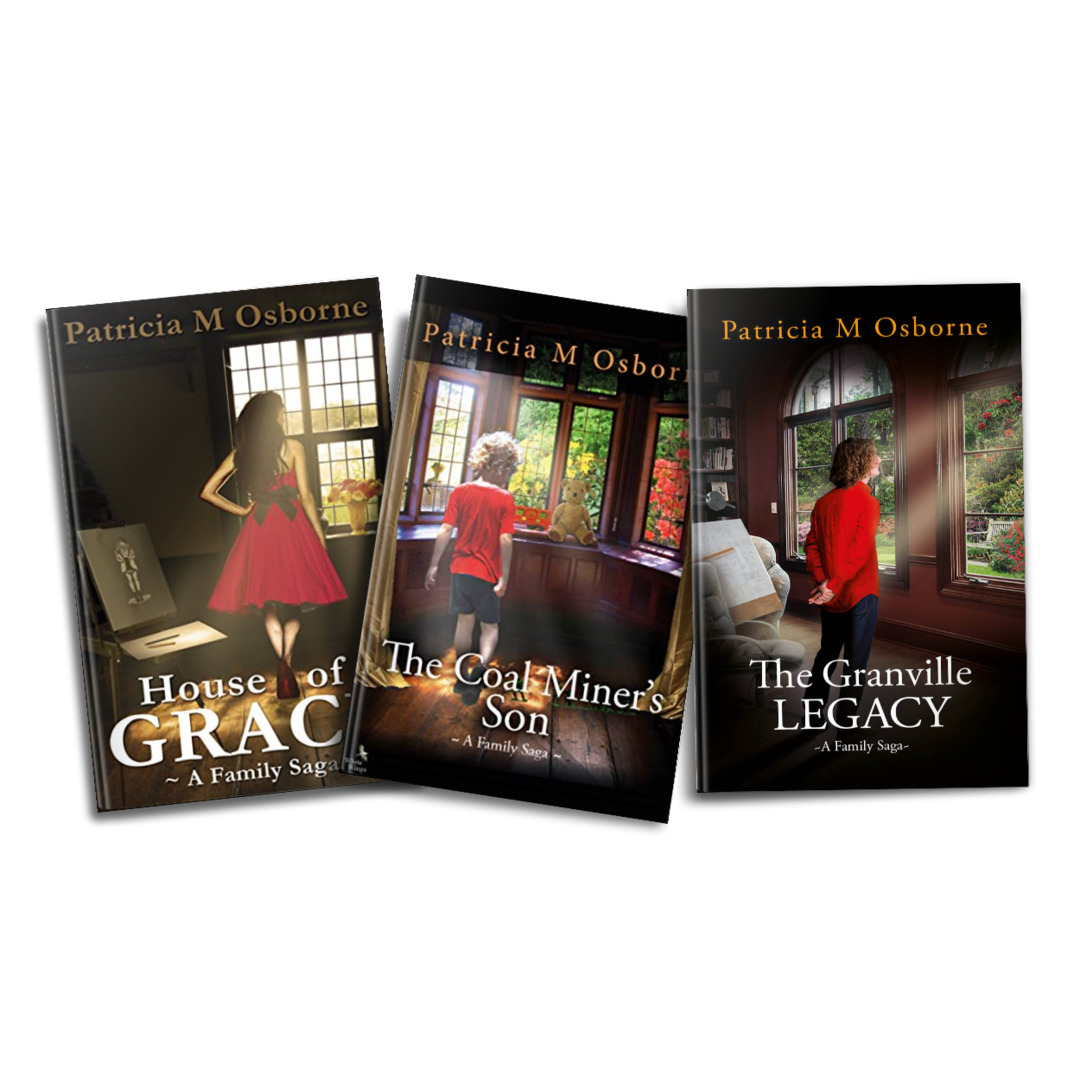
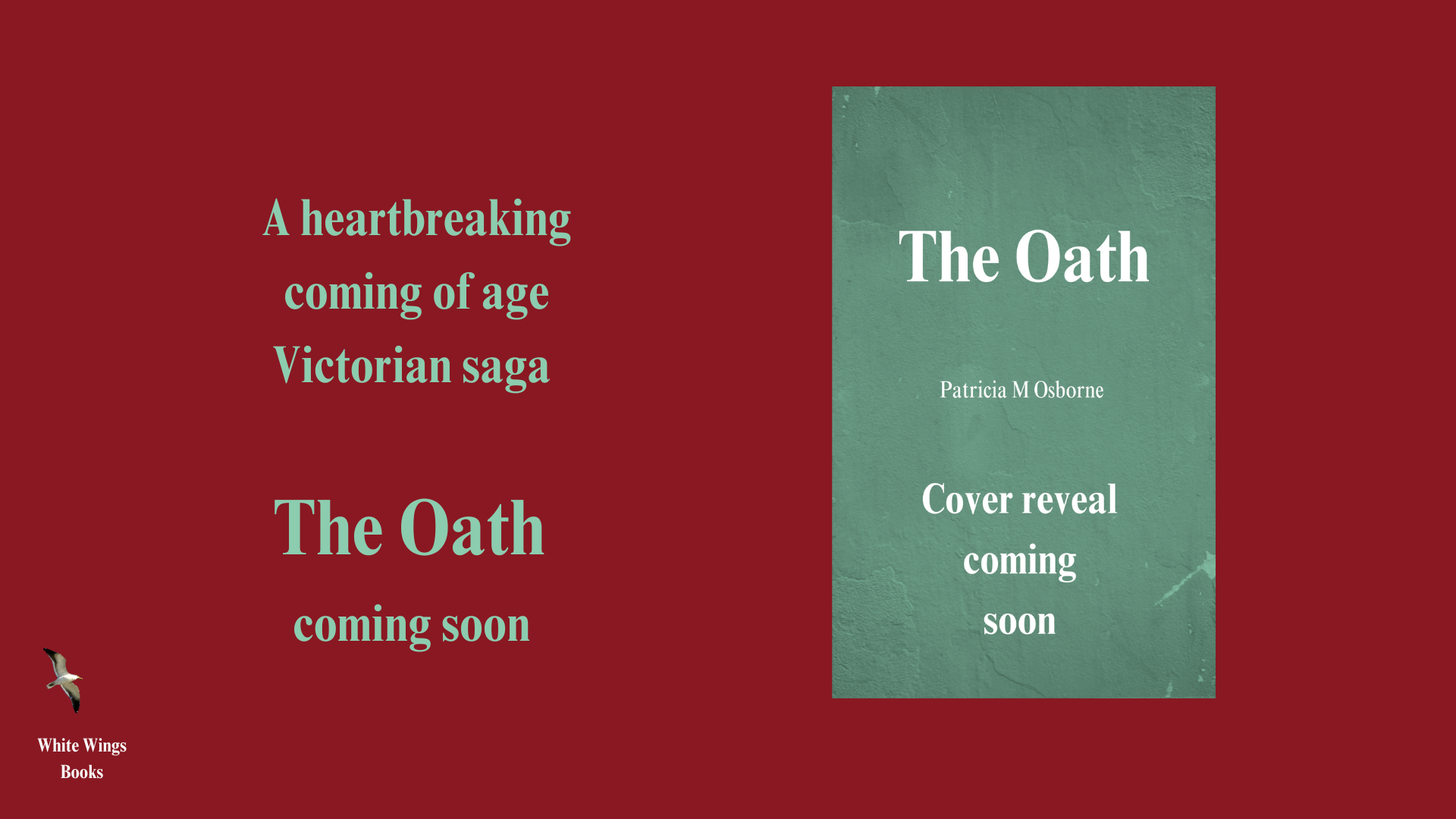
Tuesday Guest Feature is taking a two week break. Today I bring you a shoutout for my upcoming novel
coming soon
Marry the baronet, or vulnerable parents face la prison des pauvres
France 1895 – Seventeen-year-old Françoise abandons her carefree life and sails for England to marry distant cousin Charles Dubois. On arrival she finds her groom aloof and evasive.
Draped in expensive silk brocade, she yearns for her homeland and comfortable gowns, and when she discovers the baronet’s clandestine visits, it is her cheery maid she turns to, her new confidante and friend.
BETRAYAL – HEARTBREAK – FRIENDSHIP
The Oath: A heartbreaking, coming of age, historical fiction saga from the author of House of Grace family saga trilogy.
Watch this space for snippets and updates
Cover Reveal coming very soon
Surely, she could be a prize for any wealthy French man. Why did she have to go all the way to England?
Patricia’s Pen is delighted to welcome poet, Merril Smith, all the way from New Jersey. I got to know Merril via Black Bough Poetry Top Tweet Tuesday on Twitter. Without further ado, it’s over to Merril to chat about her writing.

Merril Smith
Thank you very much, Patricia, for inviting me to Patricia’s Pen! I appreciate this wonderful opportunity to discuss writing and my work.
I have considered myself to be a writer for many years, but a poet for only a few. After the publication of my first book, Breaking the Bonds (NYU Press), I wrote/edited several non-fiction books–monographs, edited volumes, and reference work on history, gender, and sexuality published. However, writing and editing these books did not fulfil me the way writing poetry does. I think I needed a creative outlet, but it needed to be at the right time. It’s hard to explain, but I began to write poetry in a type of stream-of-consciousness outpouring on my blog, Yesterday and Today, like the muse just took over and decided now. Gradually, I began responding to online poetry prompts and working on learning how to craft poetry. I believe my first poem was published in 2018.
I compiled my full-length collection, River Ghosts (Nightingale & Sparrow Press) during the summer of the COVID lockdown. It was a scary, bleak time. One week in April of that year, one of our cats died suddenly on a day that began with storms and tornado warnings and ended with clear, blue sky and spring flowers. Then at the end of that week, my mother died. Because of the lockdown, we could not be with her. The deaths of Mickey, my mom, COVID, despair, love, and the beauty of April will always be linked in my mind. In that spring and summer, I walked and saw beauty all around me, even while people were dying. I began my own sort of mourning ritual during my morning walks, where I tossed a stone into the river.

BUY – Amazon
BUY – Nightingale & Sparrow Press
Some of the poems in River Ghosts are about death or witnessing horrible events, but there are also poems of love, family, and nature’s beauty. The collection combines poems written earlier (some published) with some written for the volume. That said, I think my style has changed and improved since the publication of River Ghosts. I believe this is because I’ve concentrated on writing more imagist poetry. So—a shoutout to Matthew MC Smith, his Black Bough Poetry and @TopTweetTuesday, and also for the supportive online poetry community!
There are geniuses in all areas, but for most people, like me, writing poetry is a combination of creative spark, a way of seeing the world, and learned skills. I think River Ghosts works, but I really didn’t know anything about putting a collection together then–almost three years ago. This month marks the one-year anniversary of its publication. I still walk by the river, I still think of my mom (and dad), but I know they would both be proud of me and this book. My older child created the cover art, so it’s a book that carries family and memory through its pages. The new collection I’m working on will have some of those themes, but I think it will be very different.
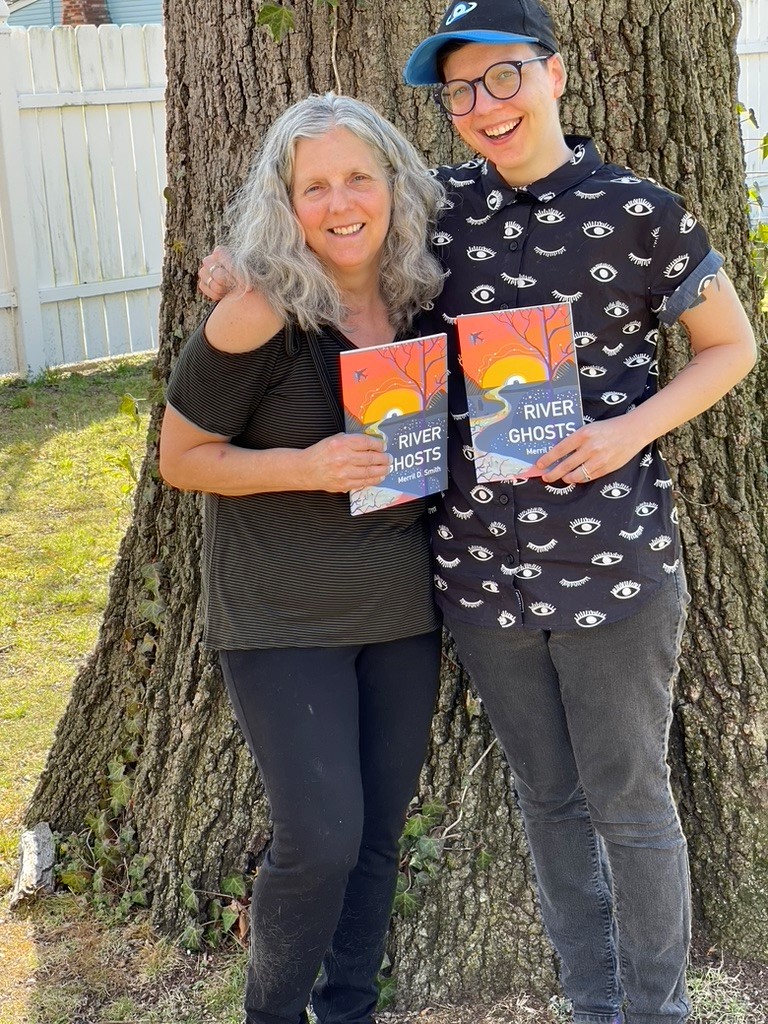
Merril D. Smith lives in southern New Jersey near the Delaware River. Her poetry has been published in journals including Black Bough Poetry, Anti-Heroin Chic, Acropolis, Humana Obscura, and anthologies, such as the recent Our Own Coordinates: Poems about Dementia (Sidhe Press). Her full-length poetry collection, River Ghosts, was published by Nightingale & Sparrow Press.
LINKS
Twitter
BUY – Amazon
BUY – Nightingale & Sparrow Press
As there’s no Tuesday Guest Feature today, I thought I’d give a little background information about what inspired me to write Spirit Mother: Experience the Myth published by The Hedgehog Poetry Press. Now seems the appropriate time to share as copies have recently landed on Hedgehog Poetry Press members’ doorsteps as part of the Cult of the Spiny Hog quarterly bundles.

Spirit Mother was a follow on from my debut poetry pamphlet, Taxus Baccata, which originated from my MA Creative Writing dissertation researching myth around trees. Discovering myths was fascinating, I loved discovering wonderful stories, so much so, I decided to extend the research, not only to trees, but to flowers, birds, butterflies, dragonflies etc. In fact if I see a photograph, I’m particularly inspired by Mike Powell’s photography, I check out to see if there’s any myth around that creature, flower or tree.
Amaryllis is one of my favourite poems from Spirit Mother. It retells a Greek myth of how the flower got its name.
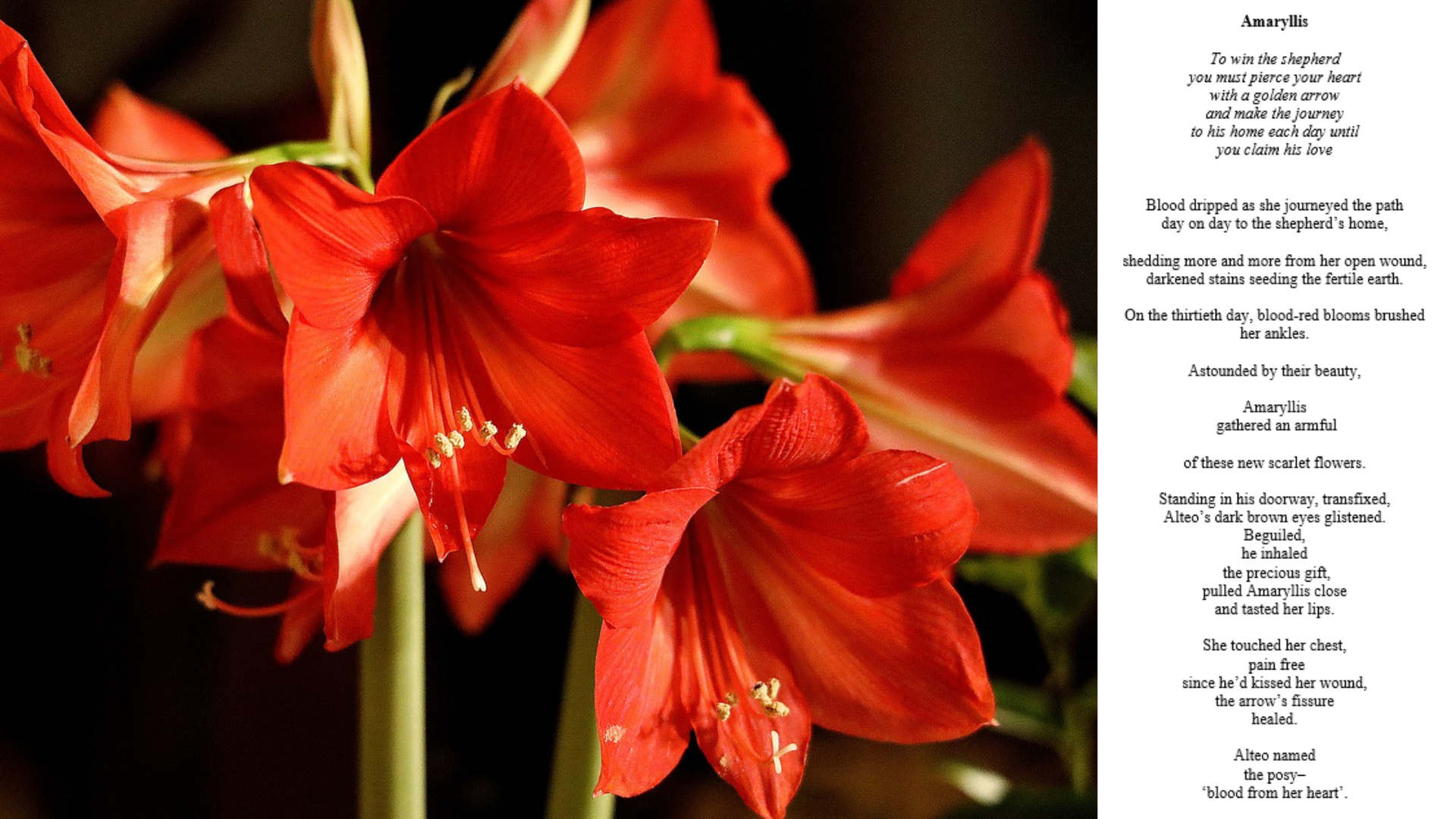
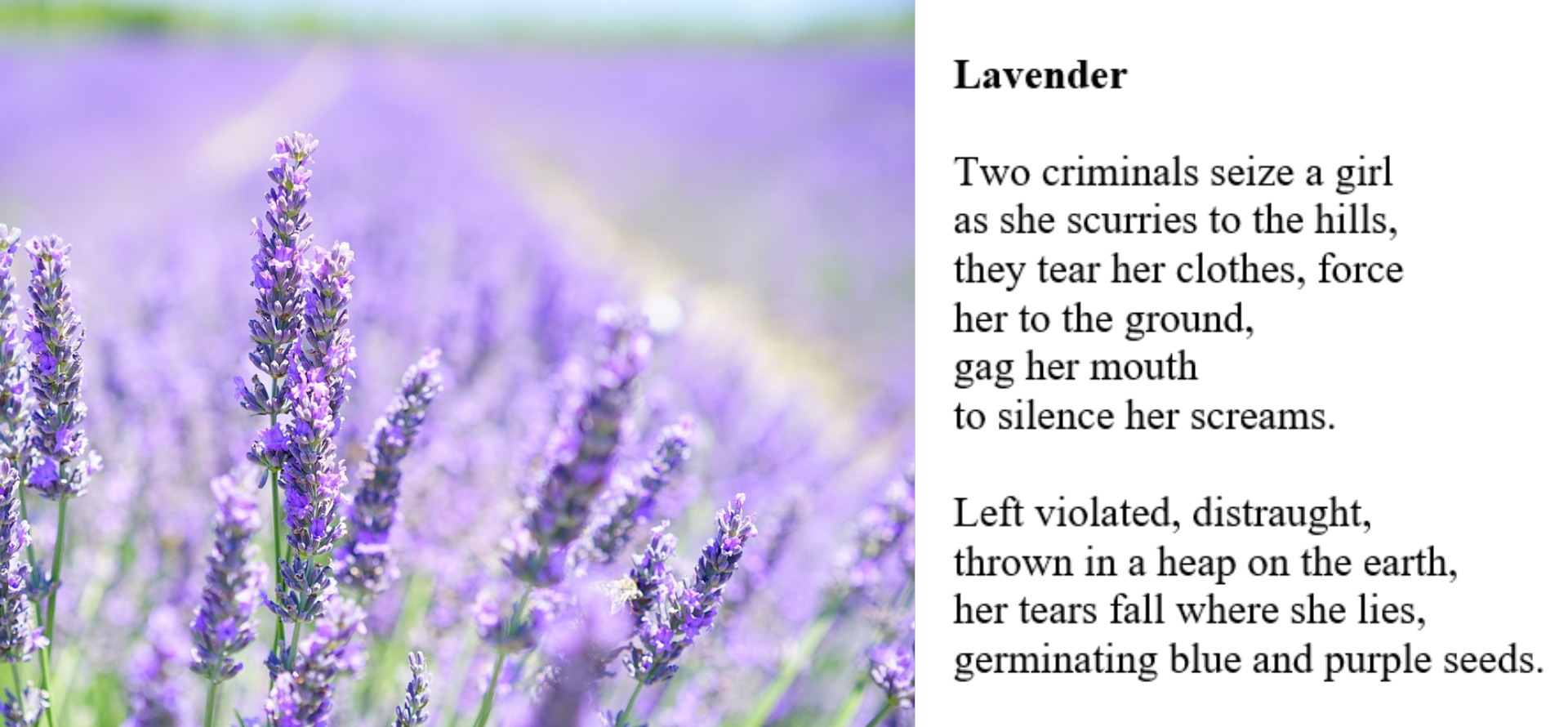
Although the collection is nature themed it has an essence of darkness uncovering the mythical tales. For instance, my poem, Lavender, portrays a myth of a young girl, raped, and her tears germinating blue and purple seeds.
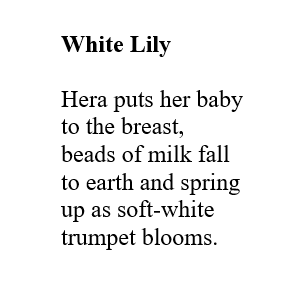
Spirit Mother opens with White Lily a poem inspired around a myth about Hera, the Greek goddess, breast feeding her baby. This poem has since appeared in Black Bough Poetry’s, A Duet of Ghosts.
I was flattered how a fellow writer, also artist, Oormila Vijayakrishnan Prahlad, was inspired to use my poem as a prompt for a painting, and later a poem of her own. Do check out the artwork Oormila created over on her Instagram page. Oormila’s poem also appears in A Duet of Ghosts.
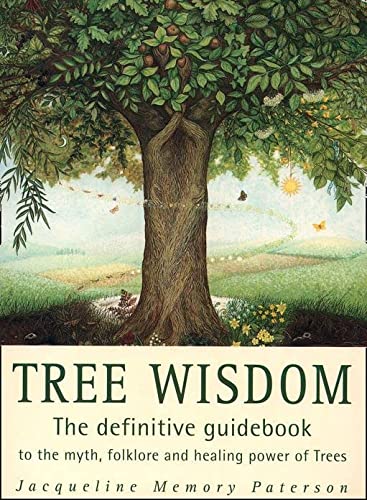
Numerous books were used for research but in researching myth around trees, Jacqueline Memory Paterson’s Tree Wisdom became my bible. I’d highly recommend this book to anyone interested in the subject.
PRAISE for Spirit Mother: Experience the Myth
“Spirit Mother is a sensory voyage of discovery and delight through a rich landscape of Greek, Celtic, and Native American mythologies. The poems are by turns delicate and earthy, juxtaposing the sensual and sublime with the sharp and shocking to remarkable effect. The ancient feels at once eternal (‘Galanthus’) and starkly contemporary (‘Lavender’), and the senses are fully engaged by a heady palette of shades, scents, sounds, and sensations. Patricia M Osborne has created a collection to be treasured – each poem imprints itself on the reader, and many will never leave.”
Mary Ford Neal
Writer and Academic
“Spirit Mother offers the reader a compelling journey through a subtle plurality of viewpoints; a cumulative, unified and immensely powerful, life-affirming lens. Osborne employs all the writing skills which have earned her regular five-star accolades for her work over many years. You render yourself a clear disservice if missing out on this outstanding volume of poetry. Don’t let that happen.”
Brian McManus,
Reviewer, Writer, Pushcart nominated poet.
If anyone would like a limited edition of Spirit Mother or any of my poetry collections, they can be purchased safely from my website shop HERE using PayPal for payment.
The Hedgehog Poetry Press cult has just re-opened its doors – if anyone wishes to join – go HERE
On another front, I’m really pleased that my short story, Seascape Children’s Home was published online yesterday by CafeLit. You can read the story HERE
Next week the Tuesday Guest Feature resumes with the lovely, talented poet, Merril Smith, all the way from New Jersey, chatting about her gorgeous poetry collection River Ghosts. Sign up to my blog to ensure you don’t miss this fabulous article.
Please join me in congratulating poet Andy Breckenridge on the launch of his brand new poetry collection The Fish Inside, published 31st March 2023 by Flight of the Dragonfly Press

Andy Breckenridge sets scenes from his native Oban and adoptive home in Brighton with evocative economy and inventive imagistic verve. He can be wryly laconic and lushly lyrical; matter of fact and metaphysical; a realist both deadpan and magic. Popular culture – music, fashion, food and drink – is captured with almost eerily tangible recall. These are poems not merely to read but to inhabit; he celebrates, mourns, consoles and notices for us all. The Fish Inside is a debut certain to dazzle and delight. It feels like a big book and deserves to make a correspondingly large impression.
Donny O’Rourke – poet, teacher and broadcaster

The Fish Inside is a beautifully crafted debut collection. Andy Breckenridge’s poetry takes us right to the heart of what it is to inhabit this land, sea and all the metaphorical in-betweens. From poems of love, friendship and family, Andy takes us on a journey of exile, memory, grief and wry humour. This is a collection you will want to return to again and again – a masterclass in poetry ‘for luck and love and light’
Lynn Valentine – poet
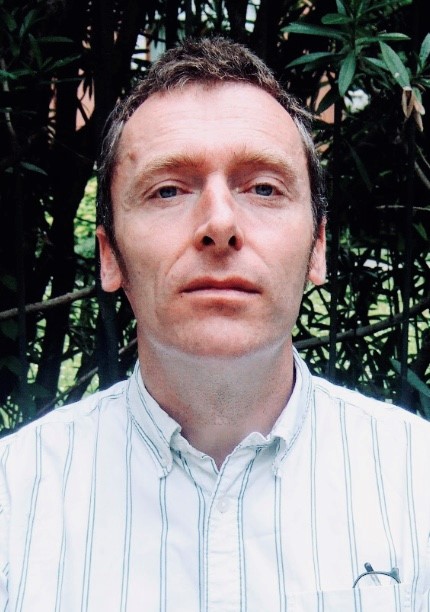
Andy is a Secondary English teacher living in Brighton but originally from Oban. He writes about self imposed exile, place, relationships, cultural identity and memory, and his poems are likely to include fish and water.
His debut pamphlet, The Liquid Air, was published by Dreich in July 2021, and the Chris Riddell illustrated version came out in August 2022.
His poetry has appeared in several print and online journals, and he has been a featured poet on Flight of the Dragonfly Spoken Word, and with the Northern Poets Society.
He is an honorary member of East Kilbride rock group, The Moes.
The Fish Inside is his first full collection.
LINKS
ORDER YOUR COPY OF THE FISH INSIDE USING THE LINKS BELOW
UK Orders – Go HERE
Overseas orders – Go HERE
Patricia’s Pen is delighted to welcome back poet, reviewer and blogger, Nigel Kent. This visit Nigel celebrates his latest collection Benchwarmers published by the wonderful Hedgehog Poetry Press. Without further ado it’s over to Nigel.

Nigel Kent
Thank you, Patricia for allowing me the space to talk about my latest pamphlet, Benchwarmers (Hedgehog Poetry Press, 2023), joint-winner of Hedgehog Poetry Press 2022 Wee Collection Challenge.

I have always been interested in poetry’s capacity to make a difference by enabling readers to make a connection with others. Consequently, many of the poems in my previous collections (Saudade, Unmuted, Psychopathogen) have attempted to share the significant in the lives of ordinary, unexceptional people. Benchwarmers is no different, except this time I have specifically focused on those at the margins of society: life’s outsiders, the disenfranchised, those who ‘lost life’s toss the moment they were born.’

The poems explore the nature and quality of such people’s lives and how society has failed them, or constrained them. Some poems focus on the cruelty that they experience, and others on the profound effects of lack of opportunity and the choices that are made for them. That all sounds pretty grim, I know! However, I want the reader, to be able to connect with these experiences and say, ‘Yes, I know what you mean. Life must be like that for them’ for understanding is the first step towards change. Nevertheless, I hope readers will feel that the pamphlet ends optimistically with poems that show life doesn’t have to be like that. Fellow poet, Phil Vernon, writing about Benchwarmers, puts it perfectly: ‘through their own empowered actions, and/or the love and attention some receive, they can…either ‘speed away’ or ‘find their own way home.’
Here’s a little taster.
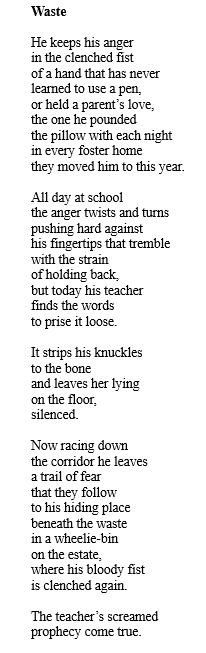
To purchase a copy of Benchwarmers, contact Nigel via his website or Send him a direct message via Twitter

Nigel Kent is a four times Pushcart Prize nominated poet and reviewer who lives in rural Worcestershire. He is an active member of the Open University Poetry Society, managing its website and occasionally editing its workshop magazine.
He has been shortlisted for several national competitions and his poetry has appeared in a wide range of anthologies and magazines. He is also the author of Unmuted, Saudade, Psychopathogen, and two poetry conversations with Sarah Thomson, A Hostile Environment and Thinking you Home, all published by Hedgehog Poetry Press.
In 2021 and 2022 he was shortlisted for the Saboteur Award for Reviewer of Literature.
Links
My dear friend and critique partner, Maureen Cullen, not only took the winning prize in the short story competition with Ringwood Publishing but the runner-up prize too.
The following link shares her interview with Megan Gibson at Ringwood Publishing.
Ringwood Publishing Interview with Maureen Cullen
Maureen’s an inspiration. If you’re a short story writer you should definitely pop over and check out Maureen’s writing tips.
You can find Maureen on Twitter HERE

