

Today I was honoured to be included among an array of other hoglet poets published by The Hedgehog Poetry Press on Damien B Donnelly’s Eat the Storm Poetry Podcast. Do tune in by clicking HERE and scrolling down.
Today I was honoured to be included among an array of other hoglet poets published by The Hedgehog Poetry Press on Damien B Donnelly’s Eat the Storm Poetry Podcast. Do tune in by clicking HERE and scrolling down.
I am delighted to welcome Christal Rice Cooper, from St Louis, to Patricia’s Pen. Christal has come to chat about her her poetry collection gone sane. Without further ado, it is over to Chris.

Christal Rice Cooper
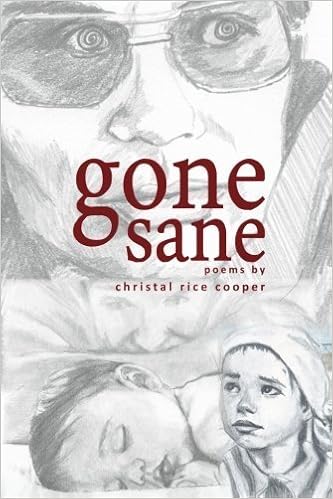
On October 23, 2011 my first and only poetry collection gone sane was published by River King press.
gone sane is an illustrated poetry collection of violence but it is also a collection of persona poetry (A persona, from the Latin for mask, is a character taken on by a poet to speak in a first-person poem.)
The title gone sane came from many of Reverend Jim Jones sermons he gave and I included it in one of my persona poems on Jim Jones in this collection.
I would not describe gone sane as autobiographical; however there is one poem that is autobiographical and perhaps the most emotional and distressing poem for me to write, and that poem is Mark.

At the time of writing Mark I was doing a story for The Altus Times on Child Abuse Awareness Month in April of 2003. This story involved me interviewing the Altus Police Department about a murder case of a two-year-old. The perpetrator was executed a few days later.
At the time this event occurred my first baby was only 20-months-old, and even though I endured post partum depression and felt disconnected from my baby, I could not fathom doing to my baby what this man did to Mark. Soon Mark became my own baby, and I decided to celebrate his life by going to an upscale baby clothes shop called BELLES & BEAUS and purchased a green long sleeve onesie, and yellow jumper with matching socks. I then went to the cemetery and asked the caretaker where Mark was born and he showed me immediately. It was one of those flat tombstones embedded in the grass. So I dressed Mark’s tombstone with the outfit and socks and took a photo. Then I came home to where my eight-month-old baby was and just held him. And I decided then and there that I would tear up the photo the police department had given me of the murderer and I would NOT mention the murderer’s name.
The victory was knowing that Mark was never orphaned – that he always had poets and people, like at the Altus Police Department, and at the cemetery, who loved him and looked after him.
Mark was severely beaten and had sustained serious injuries –abdomen injuries, defense wounds, brain swelling, his liver was almost split in two, bruising on the back of his hands, blisters on his chest, and burn marks (from what experts believe was a sauntering iron) on his thighs and ears. Mark succumbed to his injuries and died due to severe bleeding.
Excerpt from The Altus Times article dated Sunday, April 6, 2003
By Chris Cooper

What a heart-breaking story, Chris, and well done on such a poignant poem.
About Christal Rice Cooper

CHRIS RICE COOPER aka CAR COOPER is a newspaper/fiction writer, poet, photographer, & painter. CRC Blog is an INCLUSIVE & NON-PROFIT BLOG acknowledging ALL voices, ALL individuals, ALL political views, ALL philosophies, and ALL religions including Islamism, Hinduism, Buddhism, Catholicism, Protestantism, Judaism, Agnosticism, Atheism, etc. She has a B.S. in Criminal Justice & completed her workshops required for her Master’s in Creative Writing. She lives in St. Louis.
Links to buy book
Links to Social Media
It gives me great pleasure to welcome back fellow Hedgehog Poet, Darren J Beaney, as he launches his new poetry pamphlet Machinery of Life. Darren is here now to tell you all about it so without further ado, over to Darren.

Darren J Beaney
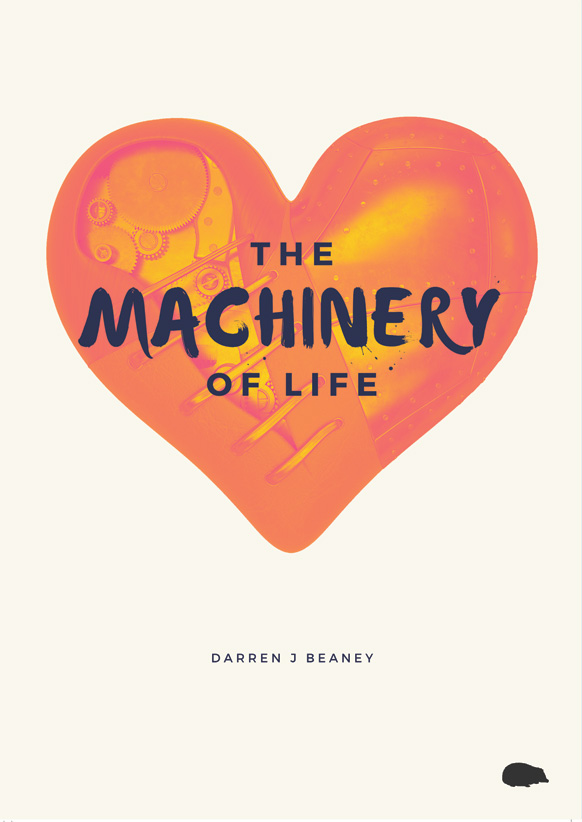
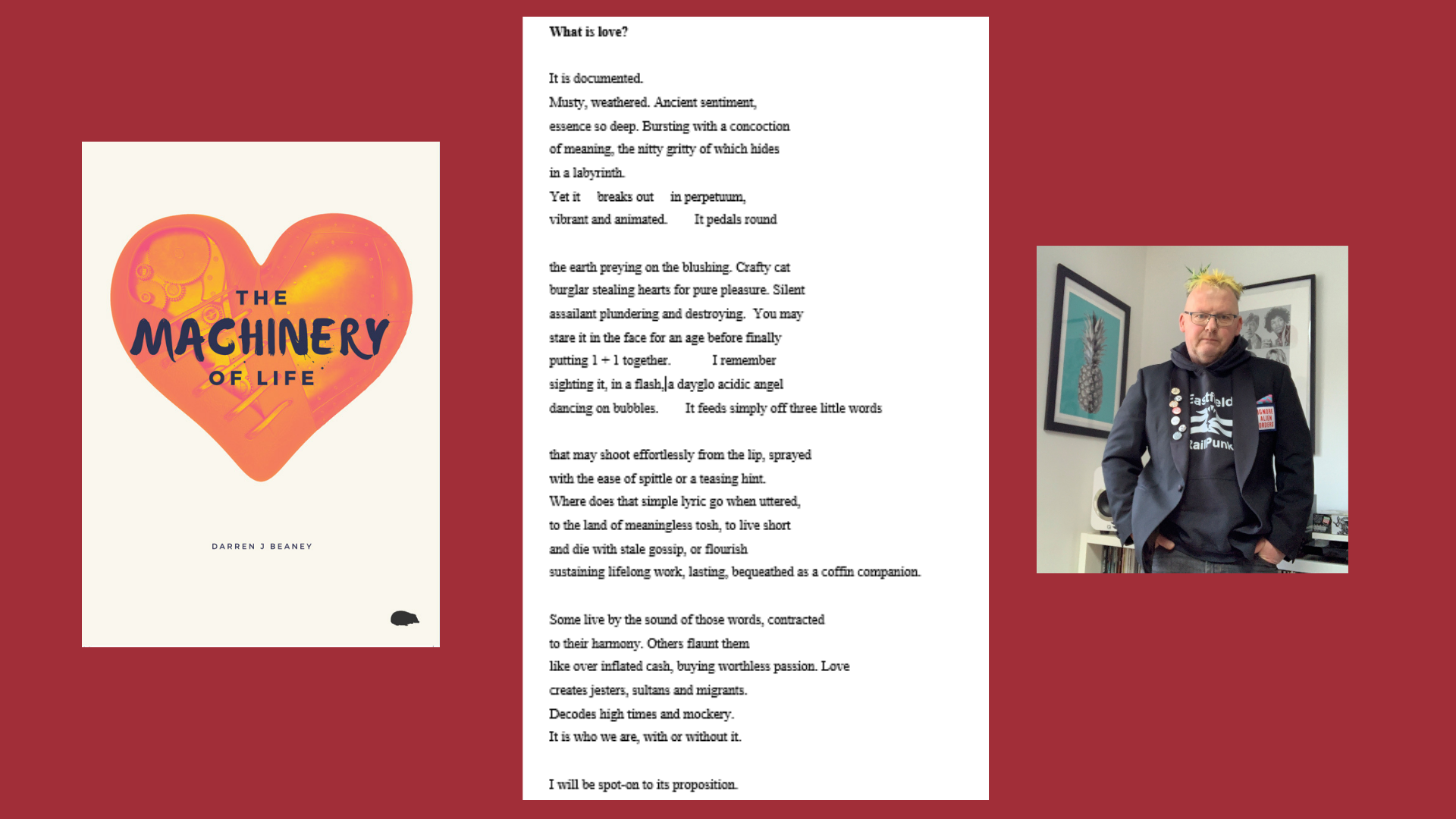
The majority of the poems in my new pamphlet The Machinery of Life were written for the dissertation for my MA in Creative Writing. The research tried to answer the age-old question – what is love? As part of my research, I read some interesting academic papers on love and one or two of them inspired a couple of the poems, I also interviewed (via Zoom and over a virtual pint) a number of blokes about their views on love and love poetry and some of their comments found their way into some of the poems.
What is love is a question that has fascinated scientists, philosophers, historians, playwrights, novelists, songwriters and poets for centuries. Well, this pamphlet of 23 poems of love may or may not answer the question, but it does offer some ‘romantic’ food for thought. The poems show love in many forms, as chaos and addiction, serious and fun. The poems try to convey that love can be the real thing, be peaceful, comforting and at times exhilarating.
On more than one occasion there are a few fleeting appearances from Eros and some of the other stars of Greek mythology. There is some philosophy, a smattering of humour, some self-deprecation (I had to be careful how I wrote that) and a bit of under the sheets risqué. I think that along the way it becomes clear that love is a splendid thing!
The Machinery of Life shows that love takes many forms and can be expressed in a variety of ways, it does not all have to be a cliché, wine and roses, gushing sonnets and stary eyes. It shows that love can be elegant, and it can be punk rock. It illustrates that no one should be afraid to show their love, even if the way they choose to do so is not considered the romantic way.
I had great fun doing the dissertation and writing the poems that ended up in The Machinery of Life, it may not give any one the answer to the question – what is love? But it may start to answer the question – what’s love got to do with it? (which was actually the original title of the pamphlet).
It has been an exciting few months for my poetry. Honey Dew was my first pamphlet, published in December 2020, and I have had 15 poems published in various anthologies, print and e-journals. I have plans for a full collection to be published at the end of this year and two pamphlets on the cards for 2022.

In addition, Flight of the Dragonfly (the spoken word event I co-host with my mate Barbara) has gone from strength to strength. It was shortlisted for a Saboteur Award; we have done two special launch events for 6 poets and have produced our very own e-journal called Flights.
Honey Dew and The Machinery of Life can be bought directly from Darren J Beaney HERE
About Darren J Beaney

Darren J Beaney has an MA in Creative Writing from the University of Brighton. He co-hosts a regular spoken word night in Brighton/Zoom – Flight of the Dragonfly. He is a hopeless romantic! He cuts his own hair. He enjoys music, predominantly punk rock, but a lot of other sounds as well. His favourite author is Orwell. He has developed a thing for Greek mythology! He lives on the West Sussex coast, with his lovely family.
Links
Back in April 2016 I visited Preston Manor in Brighton with my fellow author friend Suzi Bamblett. Why? Preston Manor was celebrating ‘Brighton’s Mother of Modern Witchcraft – Doreen Valiente.’ The exhibition was totally fascinating and during our walk around at the exhibits, Suzi and I each made separate notes to save time, with the view at some point to merge together. However, although we swapped notes, to this day I’ve still not been able to put the spells together just in case…
On Tuesday, I shared my poem Witches’ Exhibition on Twitter’s TopTweetTuesday run by Black bough Poetry, and it was only on sharing, I realised I’d never added it on Patricia’s Pen for my followers. So here it is. Enjoy.
Witches’ Exhibition was published in Magic – Gloucester Poetry Society Anthology in 2019.

My guest today is novelist and poet, Tim Taylor, who has come along today to talk about poetry. So without further ado, it’s over to Tim.
Tim Taylor
Thank you very much for hosting me today, Patricia. Like you, I write both fiction and poetry. I find the process of writing very different between the two forms. For me, writing a novel is a bit like making a sculpture out of clay – you have an idea of what you’re after and you build towards it steadily, piece by piece, sometimes surprising yourself along the way. There’s a lot of shaping and editing to be done, of course, but what results from it will be a recognisable descendant of the original vision.
Writing poetry is much more haphazard. There is no certainty about what, if anything, will emerge – or when. I can often come up with a reasonable draft of a poem from scratch in three-quarters of an hour. Many others, though, will be discarded or remain indefinitely in my Work in Progress folder. Sometimes, however, failed first drafts contain the germ of an idea that is good enough to persevere with, and I may come back to them many times over months and years until – at least sometimes – they can finally be brought to fruition.
I recently completed a poem begun in 2014, which I had returned to over and over again, each time producing another version I wasn’t happy with. It lay dormant for a while, then a few weeks ago I received an e-mail reminder from a publisher about a deadline for submissions to an anthology – in two days’ time! I thought: oh, that poem would be great for the anthology – if only I could finish it! So I got my head down and ploughed through it yet again, and this time, finally, I managed to produce a version I was satisfied with – just hours before the deadline!
I’ll end with another poem of this kind. The core idea for it was lying around for ages. Every so often I would have a look at it and once again fail to come up with anything I could be satisfied with. I had a few lines and fragments of others, but couldn’t find a way to fit them together and fill in the gaps between. But I loved the idea, so I just had to keep plugging away, adding a line here, deleting a word there. Eventually – years later – this was what emerged:
The Old Couple
When they were young
their love was a thing of flame.
Colliding like two asteroids
they were magnificent
but sparks would leap from jagged edges.
Incandescent, they would fly apart,
only to spiral inwards once again.
Look at them now,
sitting to watch the sun go down,
still warmed by the embers of that ancient fire.
She leans on him, and he on her;
time has smoothed their curves and hollows,
sanded them to fit each other
like pebbles rubbed together by the sea.
The Old Couple was published in Acumen and in my poetry collection Sea Without a Shore.
Thank you, Tim, for a great blog. I can completely relate to everything you said. I have poems sitting in my computer archives from 2011 and sometimes come out for an airing but go back in again as still not ready. I love The Old Couple.
About Tim Taylor

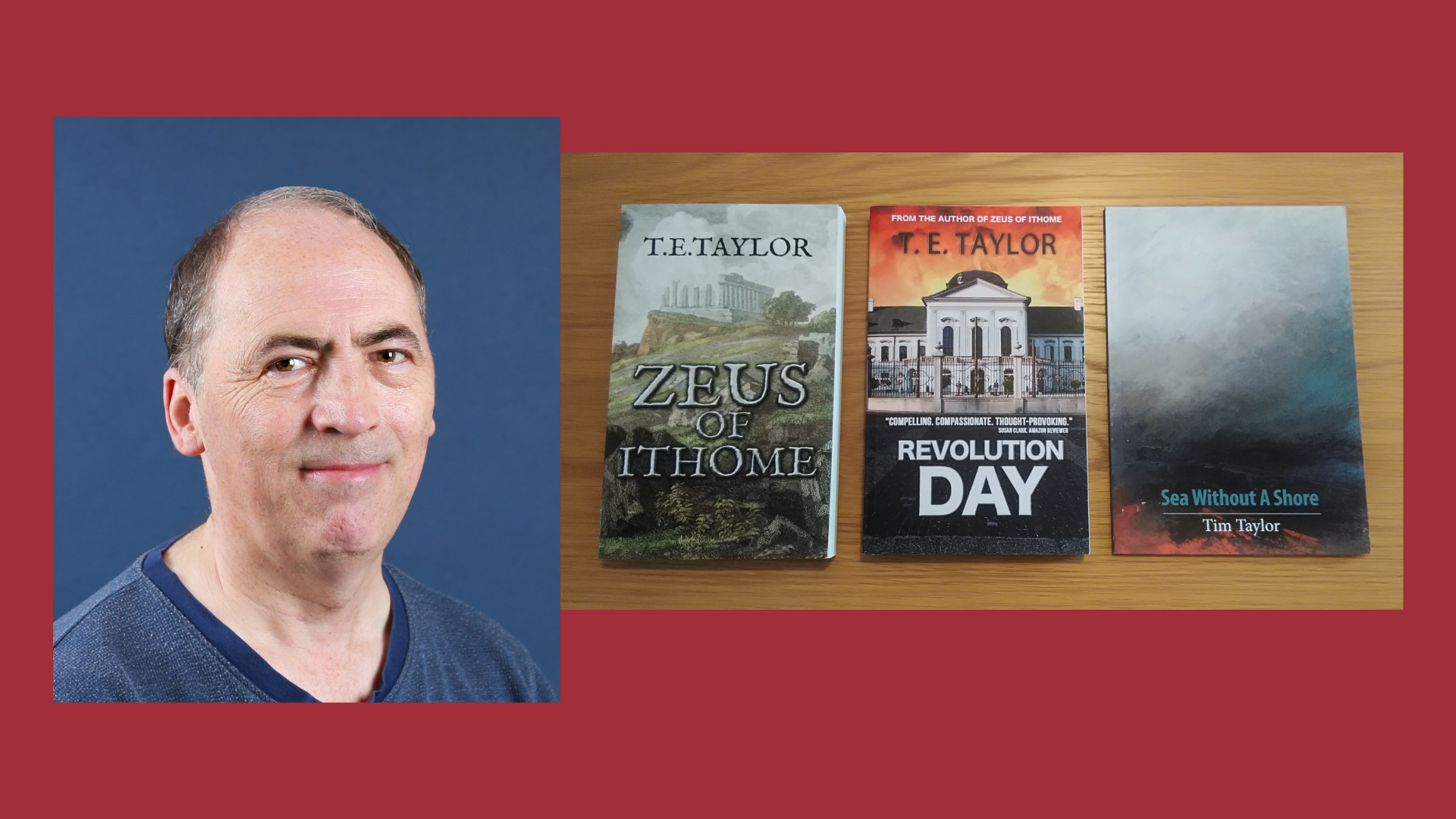
Tim Taylor writes fiction and poetry. He has published two novels, Zeus of Ithome and Revolution Day, with Crooked Cat and a poetry collection, Sea Without a Shore, with Maytree Press. His poems and stories have won, or been shortlisted in, a number of competitions and appeared in various magazines (e.g. Acumen, Orbis, Pennine Platform) and anthologies. Tim lives in Meltham, West Yorkshire, teaches Ethics at Leeds University and enjoys playing the guitar and walking up hills (not usually at the same time).

Buy Tim Taylor’s Books HERE
Links
Facebook
I’m really excited to introduce my guest poet today, Sheena Bradley, as Sheena is a very good friend of mine and I am very lucky to have seen the poems grow in her collection Painting My Japan. Here’s Sheena now to tell you all about it.
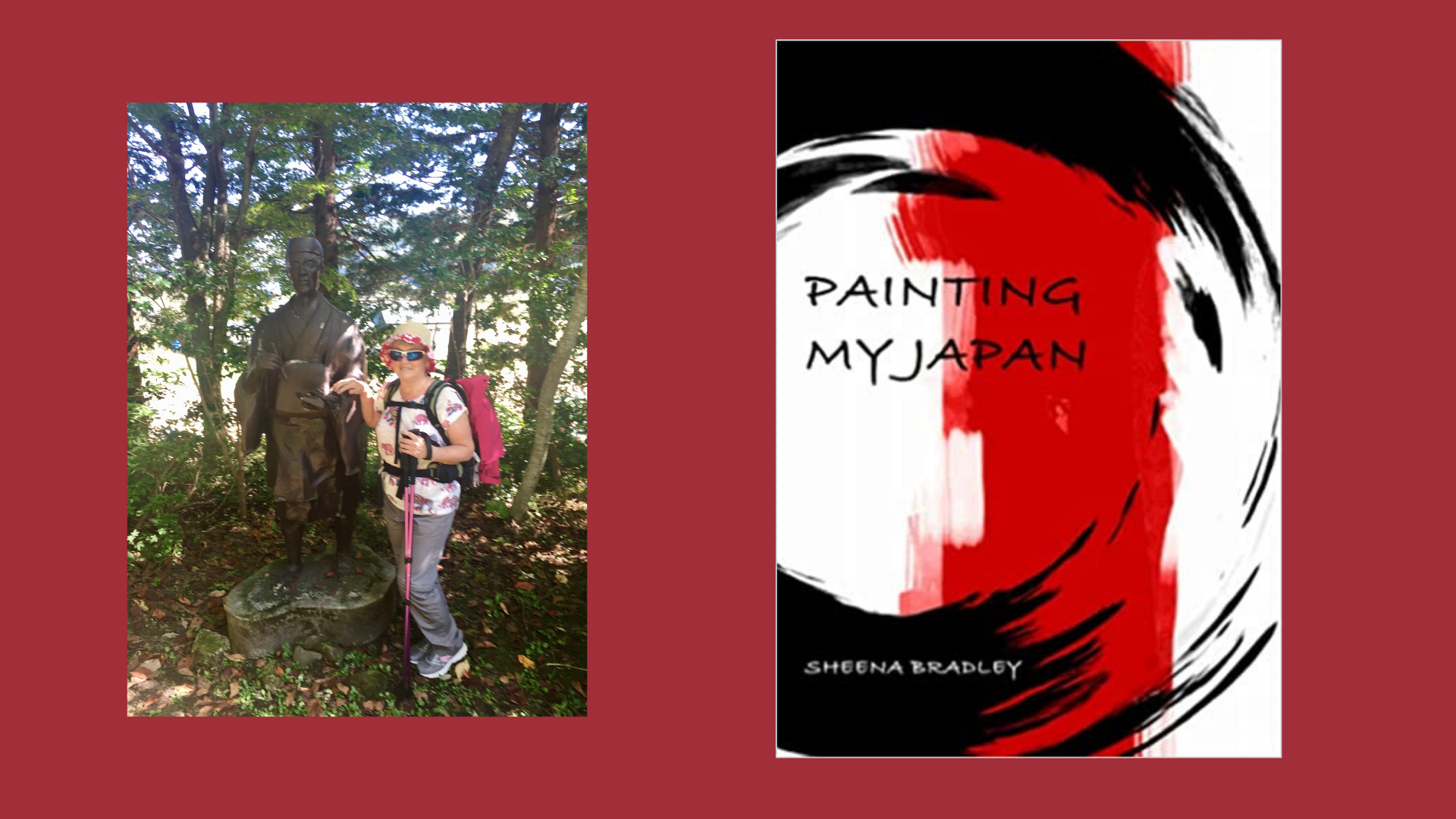
Sheena Bradley
My pamphlet Painting My Japan is an exploration in poetry of the people, culture, history and sights of Japan as I experienced them during my many visits to the country. The idea originated in a presentation for my cohort and tutors during my first year of the Masters in Creative Writing. Since I was restricted to ten minutes, I wanted to give unity to the reading by confining myself to a single theme. I had four poems already written about my travels in Japan; the collection developed from there and became the topic for my dissertation.
I first visited the country in 2001, when my son had emigrated there. I travelled mainly in the hope of understanding his fascination. During that first visit I spent time in Tokyo and visited all the other major cities, but I also included a ten-day walking tour of Old Japan along parts of the Nakasendo Way, an ancient Shogun route between Edo (Tokyo) and Heian (Kyoto). We had an inspiring and informative guide who sparked my interest in the literature, poetry and art of Japan.

Travel narratives have been around for millennia but travel writing/poetry has become more popular in recent years. As a genre, this may be even more important to people today, since travel has become so restricted by the pandemic, vicarious travel must be safer.
The biggest criticism levelled against travel writers in general, is any claim they might make to objectivity. Travel entails cultural and linguistic translation. Such choices and translations can displace meanings from their original context. Paul Theroux claims travel as a creative act in itself. And Peter Bishop says, ‘Travel writing creates worlds, it does not simply discover them.’ Nonetheless, writing about another culture to which we do not belong is fraught with problems in these days of cultural appropriation. My poems are purely my view of Japan and its culture, as it appeared over many visits and as I came to love the country.
I have titled the pamphlet Painting My Japan in a reference to one of the poems written from the perspective of Van Gogh. He was heavily influenced by Japanese prints, mostly those of Hiroshige and Hokusai, which were flooding Europe at the time. His best and most famous works date from these years. (1885-1890).

The title of the pamphlet also indicates that the poems display how I personally see it. To continue the ‘painting’ idea, I have included calligraphy from my 14-year- old Japanese grandson, Keigh Tachibana Bradley, in the volume.

The above translates as Journey created by Keigh Tachibana Bradley
I hope the above has tempted you to purchase a copy of Sheena Bradley’s Painting My Japan. Details below on how to purchase a copy but first, let’s find out a little more about Sheena.
About Sheena Bradley
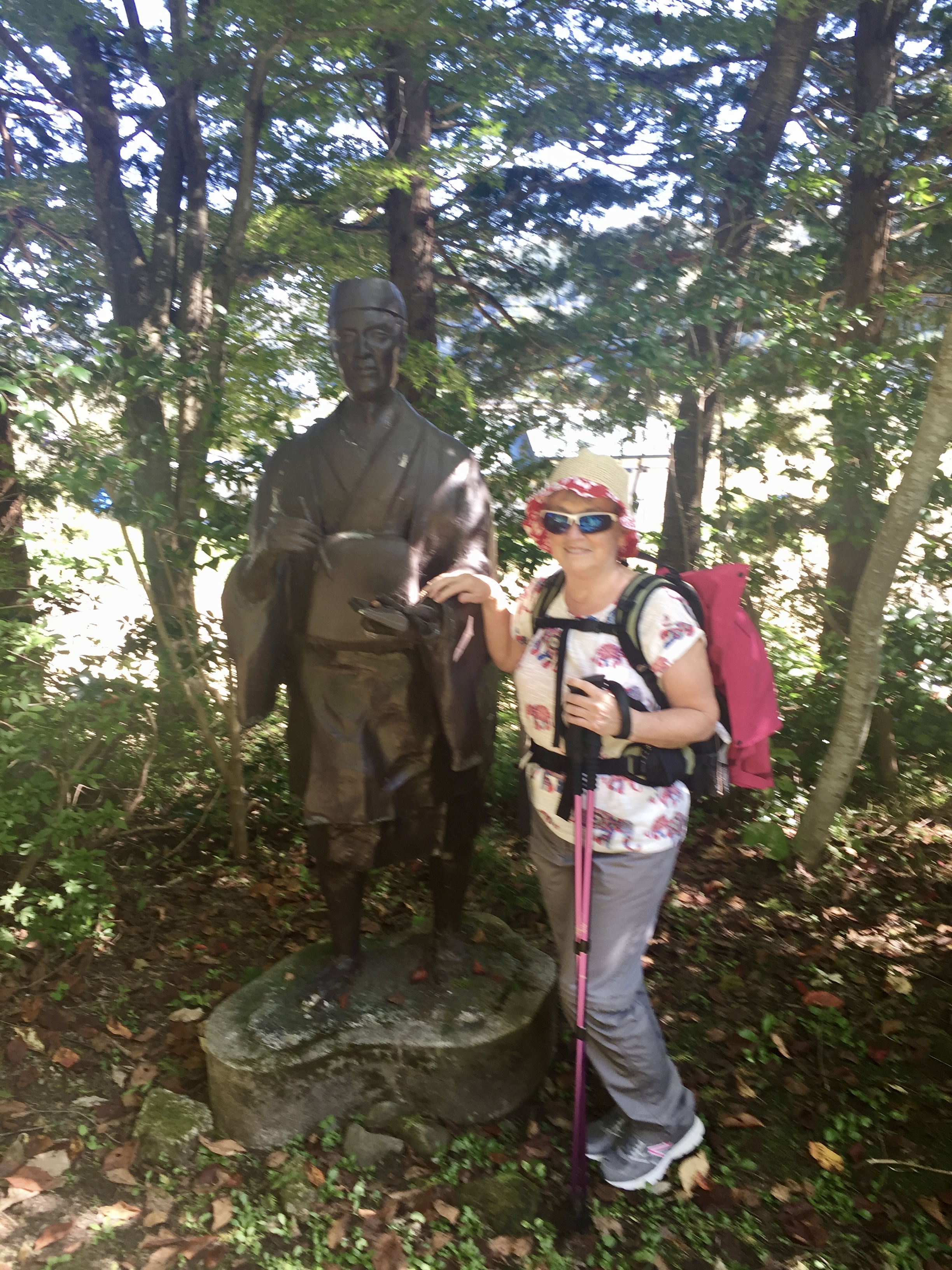
Sheena Bradley was born in a village near Draperstown in Northern Ireland and went to University in Dublin. She spent five great years in Liverpool and has now lived in Nottingham longer than anywhere else. She worked as a Radiologist in Grantham, Lincolnshire for 22 years, and since retirement has been writing, mostly poetry.
She loves words and images, but also mountains, bogs, beaches, birds, clouds, and all sorts of natural things.
Her eldest son lives in Japan with his family, and before travel restrictions entered our lives, she visited that country regularly and loved their rich history, culture, traditions and poetry which inspired her Dissertation for her MA in Creative Writing completed at NTU in 2018.
Many of her poems have been published in Sarasvati, Dawntreader and Reach, (Indigo Dreams Publishing Ltd). Her work has also appeared in Orbis, The Beacon, As It Ought To Be, (AIOTB), Poets’ Choice, Dear Reader and Impspired.

To purchase a signed copy of Painting My Japan go to PayPal – £1 from each sale will go to UNHCR
or order via Amazon
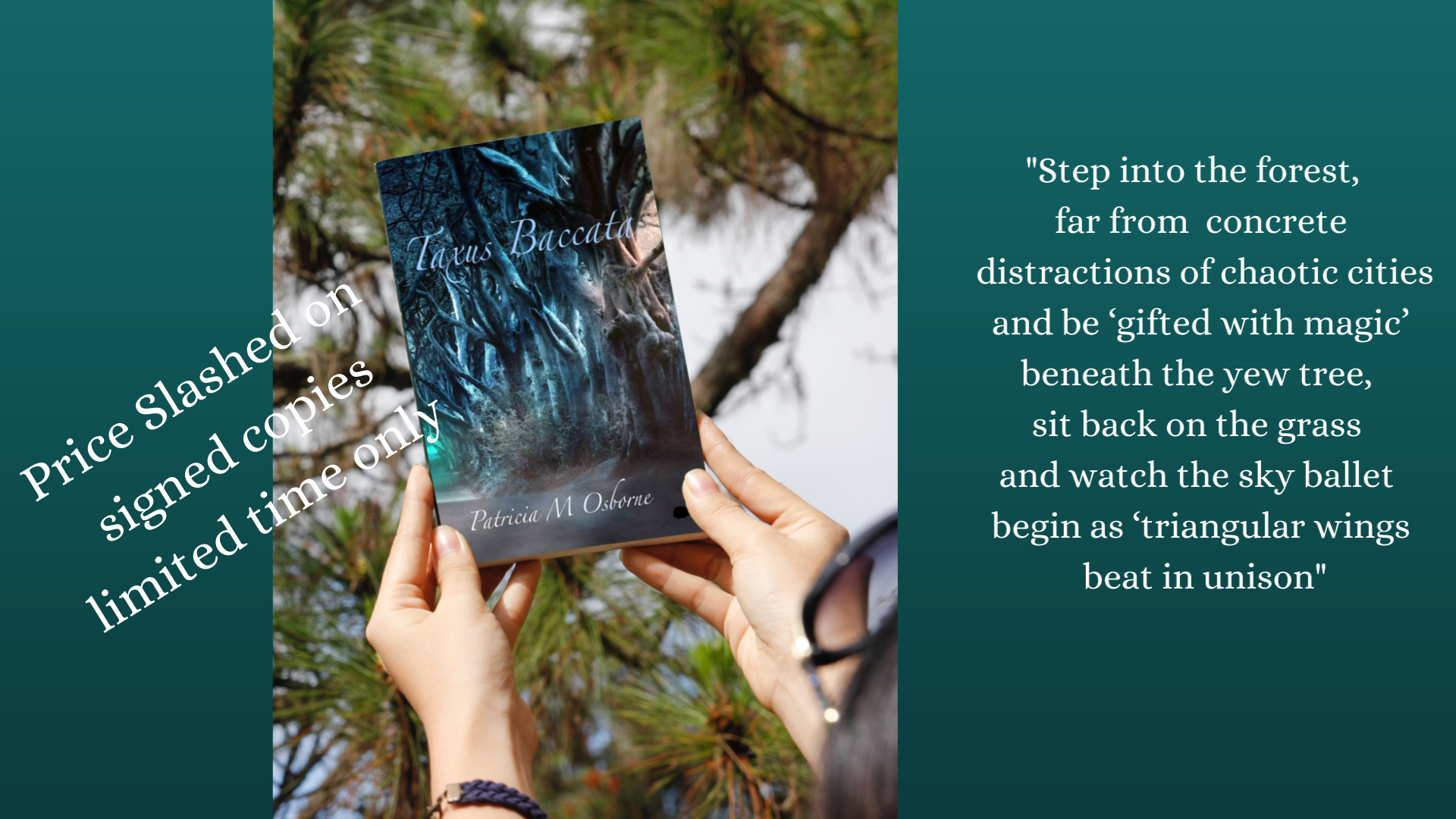
I was excited this morning to discover that Taxus Baccata is The Hedgehog Poetry’s Press Book of the Week – and what’s more – signed copies purchased from my SHOP on this website have been reduced to half price! Pdfs available discounted at 99p!
Check what Mark Davidson at The Hedgehog Poetry Press says HERE and if you fancy a copy then go to my shop HERE and scroll down.
Also see what Nigel Kent (shortlisted for the Saboteur Award for Reviewer of Literature, 2021) says on his website HERE

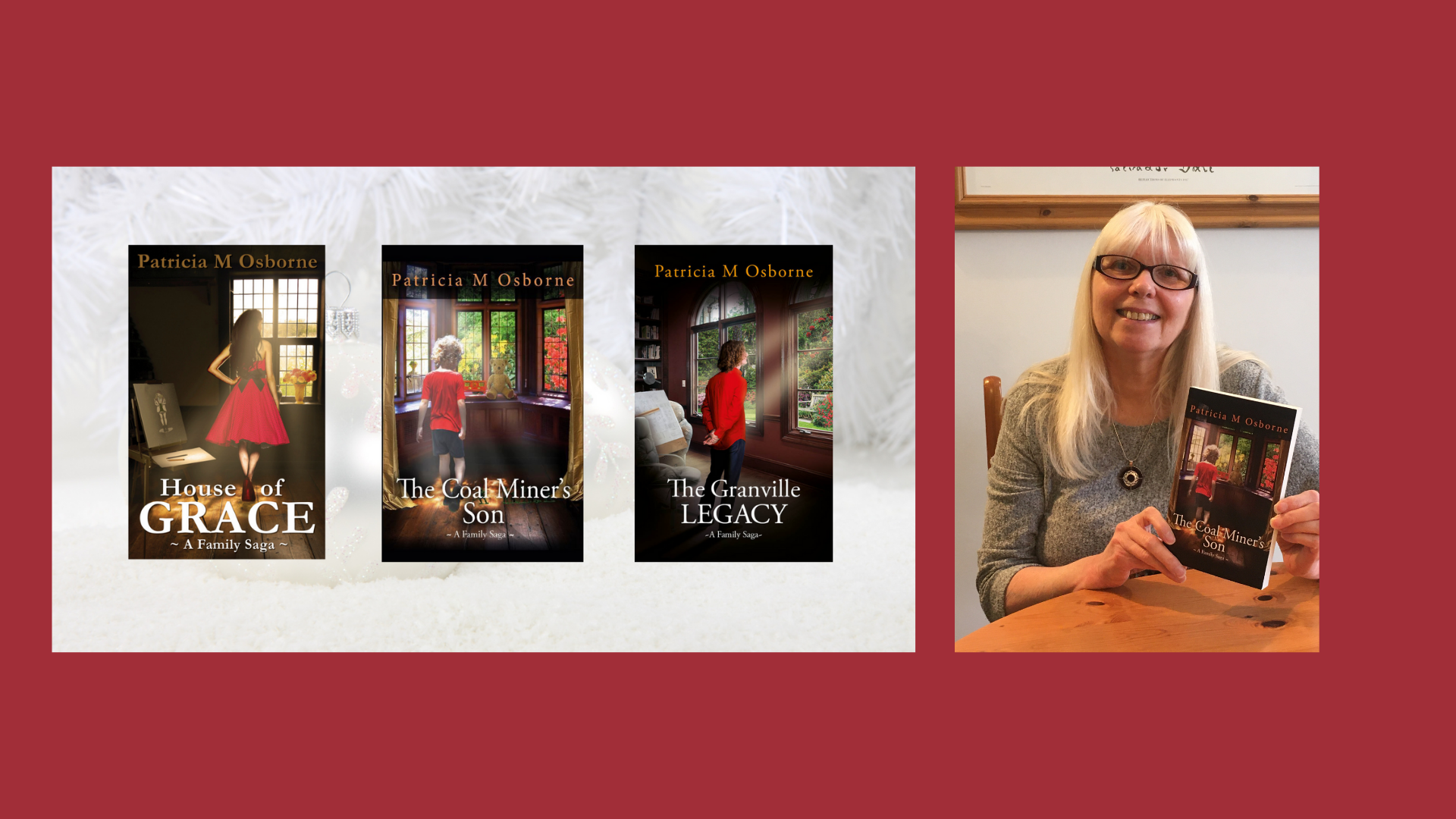
Patricia M Osborne
I didn’t start off expecting to be a writer. Yes, I’d dabbled in poetry from a young age, but never did I imagine I’d become a professional writer.
Back in 2009 I began a BA Humanities degree to develop my music knowledge. I’d taken up learning the piano at the age of fifty, a life-long wish, and part of learning this beautiful instrument was to learn the theory around it. I took Grade 1 – 5 ABRSM music theory exams but wanted to go deeper. My piano teacher suggested I try The Open University.
At this stage I hadn’t contemplated a degree, just furthering my knowledge in music, but study has a habit of taking over. After completing all the music modules offered, I enrolled in A215 in Creative Writing and A363 Advanced Creative Writing and finished in 2013 with a BA degree (Honours) in Humanities with Creative Writing and Music. From here, my writing was no longer something to dabble in but something to take seriously. And so my creative writing journey began.
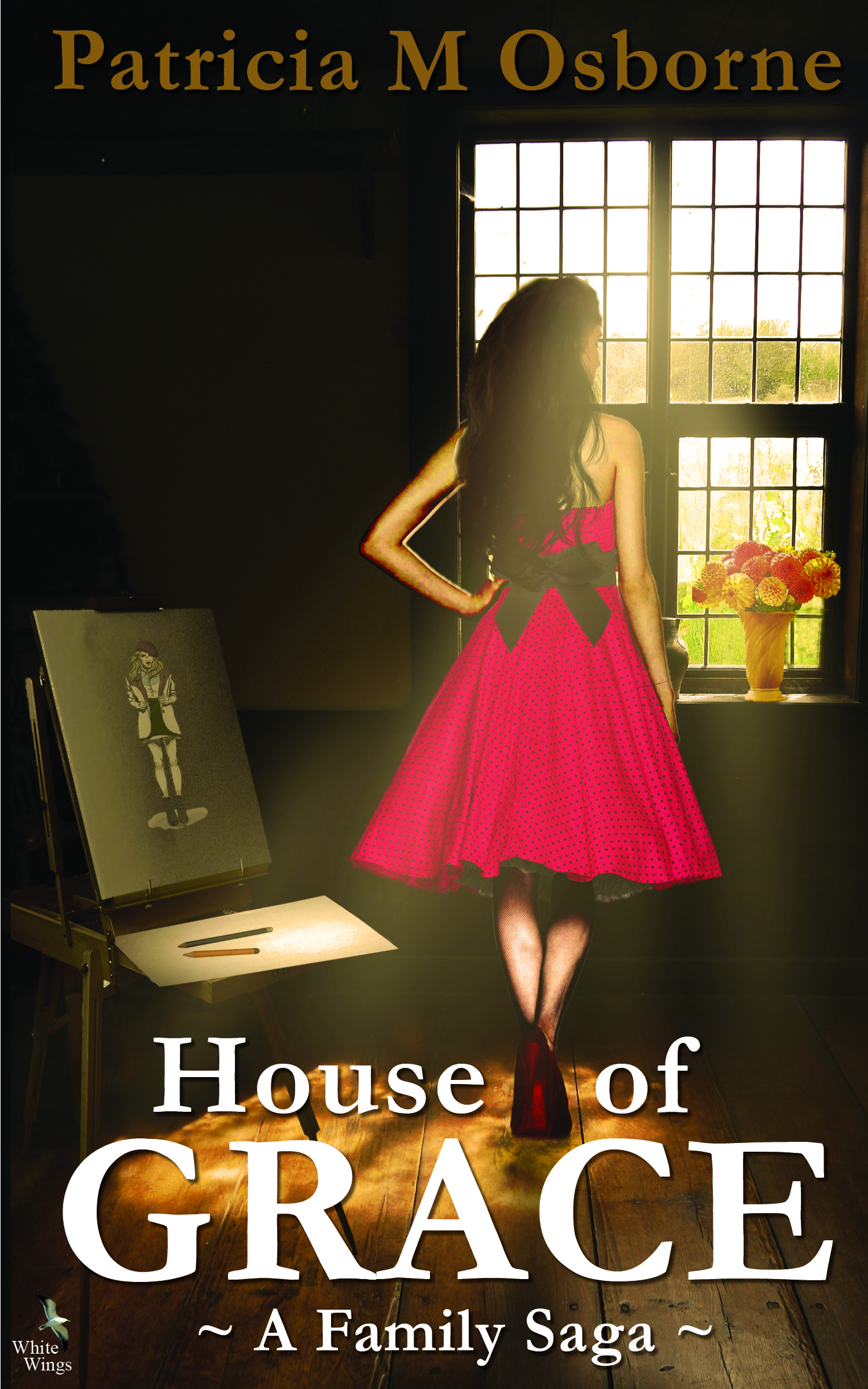
My protagonist, Grace Granville was born in 2013, with debut novel, House of Grace, although at this stage I hadn’t considered publication. In September 2014, after the loss of my mum, I enrolled in an MA in Creative Writing with Brighton University and it was during the ‘Prose Fiction’ module, I was inspired to write the second book in the trilogy, The Coal Miner’s Son, but still no real thoughts about publication. House of Grace still sat in my computer archives.
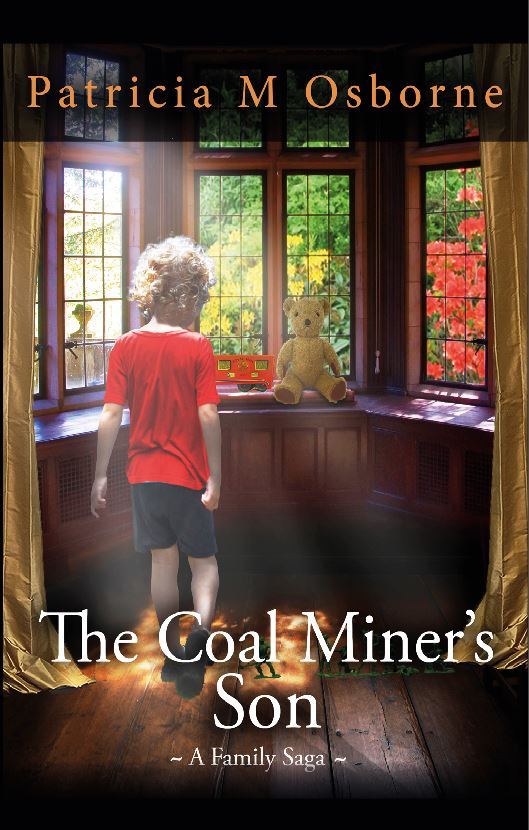
In 2016 I was persuaded by a couple of online writer friends to visit Swanwick Writers’ Summer School – a wonderful writing retreat, and it was here, I was inspired to get House of Grace to publication with Grace Granville making her debut in 2017. The Coal Miner’s Son took longer to finish and publish as I was still studying for the MA but George Gilmore finally made his entrance in 2020.
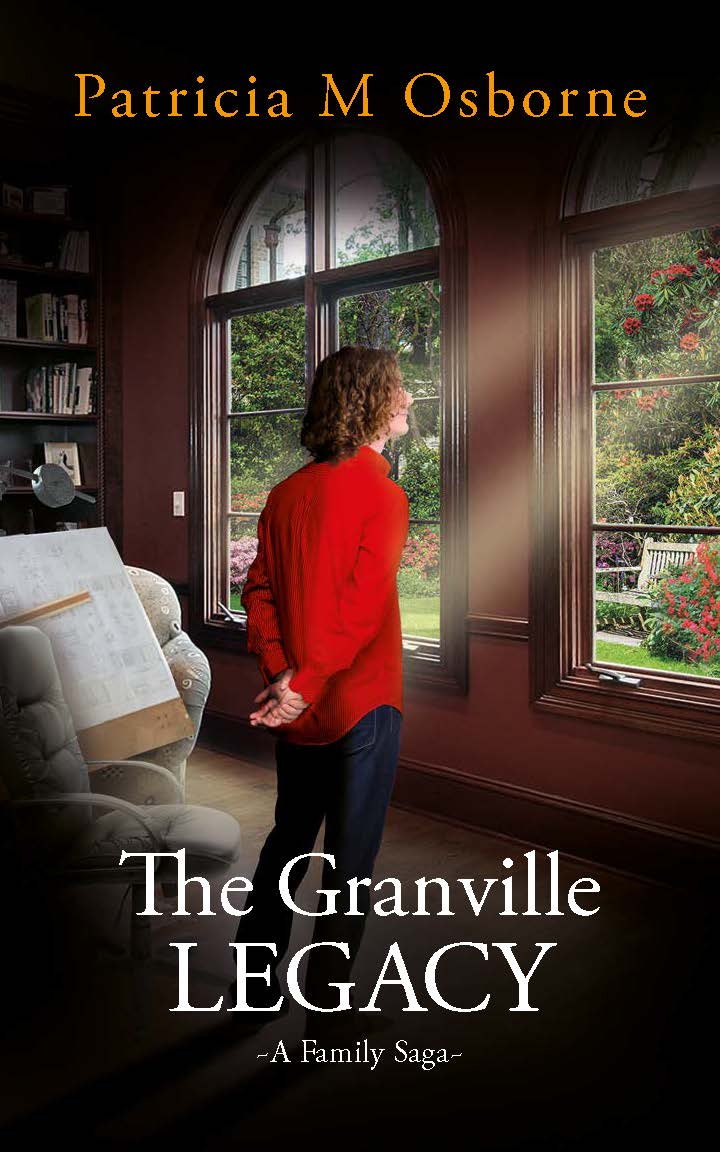
One year later The Granville Legacy was published and completed the trilogy, although not the series. There is still more to come.
However, if I hadn’t began to learn to play the piano, which in turn led to The Open University to further music theory, I would never have completed the creative writing courses and never have gone on to do my MA. And there would be no family saga trilogy, no House of Grace. At this stage, I will also add, that I used to struggle to write a five-hundred word story but now all my stories want to become novels but that wouldn’t have happened without a lot of hard work.
There’d also be no poetry pamphlets, Taxus Baccata and The Montefiore Bride, publications. And no Sherry and Sparkly (coming this summer) or Symbiosis (coming later this year).
Remember, it’s never too late to live your dream.

House of Grace trilogy is available as Kindle or Paperback and FREE with Kindle Unlimited
The Coal Miner’s Son
The Granville Legacy
Download trilogy with one click on Kindle or Kindle Unlimited
Signed paperbacks for House of Grace trilogy and poetry pamphlets available via my Shop on Patricia’s Pen where prices are slashed for a limited time.

Suzi Bamblett
My fascination for the time-slip novel began when I read The House on the Strand. In Daphne du Maurier’s novel, protagonist Dick trials a drug invented by a university friend and soon finds himself back in the 14th century. The story is time-slip rather than time travel as Dick’s physical body remains in contemporary time, leading to untold dangers…
Both time-slip and time travel require a suspension of disbelief, although there’s definitely some overlap between the two genres.
Time travel stories tend to use a mechanical device to transport the protagonist to the past (or the future). In H G Wells, The Time Machine, the time traveller invents an actual machine, Doctor Who has the TARDIS and, in Back to the Future, ‘Doc’ drives a DeLorian. In time travel the protagonist is more in control and journeys are generally planned by design.
In time-slip, there’s still a link between the present and the past – for example, Kate Mosse’s Languedoc Trilogy, but often the characters do not fully leave their contemporary life. The time-slip protagonist has less control and little understanding of what’s going on. I personally find time-slip allows more creativity, with the inclusion of magical, fantastical and sometimes ghostly elements. The Time Traveller’s Wife has a genetic cause, in Outlander, the protagonist time travels while walking through standing stones and, in my novel, The Travelling Philanthropist, protagonist Anna is accidently transported back to 1752 while a second version of her remains in a parallel world.
Here are the things I’ve learnt about writing a time-slip novel:
Plot – To paraphrase Kate Mosse, you’re basically writing two stories before weaving them together. Both stories must have a carefully planned structure and arc.
Setting – Each time frame must be distinct and equally well-researched. Scenes in both time frames need to be equally believable.
Theme – The two time frames require a common theme. Underpinning the time-slip in The Travelling Philanthropist, is the theme of someone missing. Anna searches for her birth mother in the contemporary world and embarks on a quest for a lost foundling in the eighteenth century. This drives the tension, conflict and suspense in both time frames.
Dialogue – It’s important to make the dialogue realistic. Eighteenth century language sounds vastly different to contemporary speech.
Page turning – Each time frame must retain reader interest. You want the reader to engage with both to the point that they’re almost annoyed by the interruption of the time change. Create cliff hanging chapter endings to leave the reader impatient to find out what happens next.
The seed for The Travelling Philanthropist was sown several years ago. Training to become a teacher, I was planning an article drawing together my two teaching subjects – Religious Education and Mathematics. It was during this research that I stumbled across the shift from the Julian to the Gregorian calendar…
The Travelling Philanthropist is available as Ebook or paperback from Amazon.
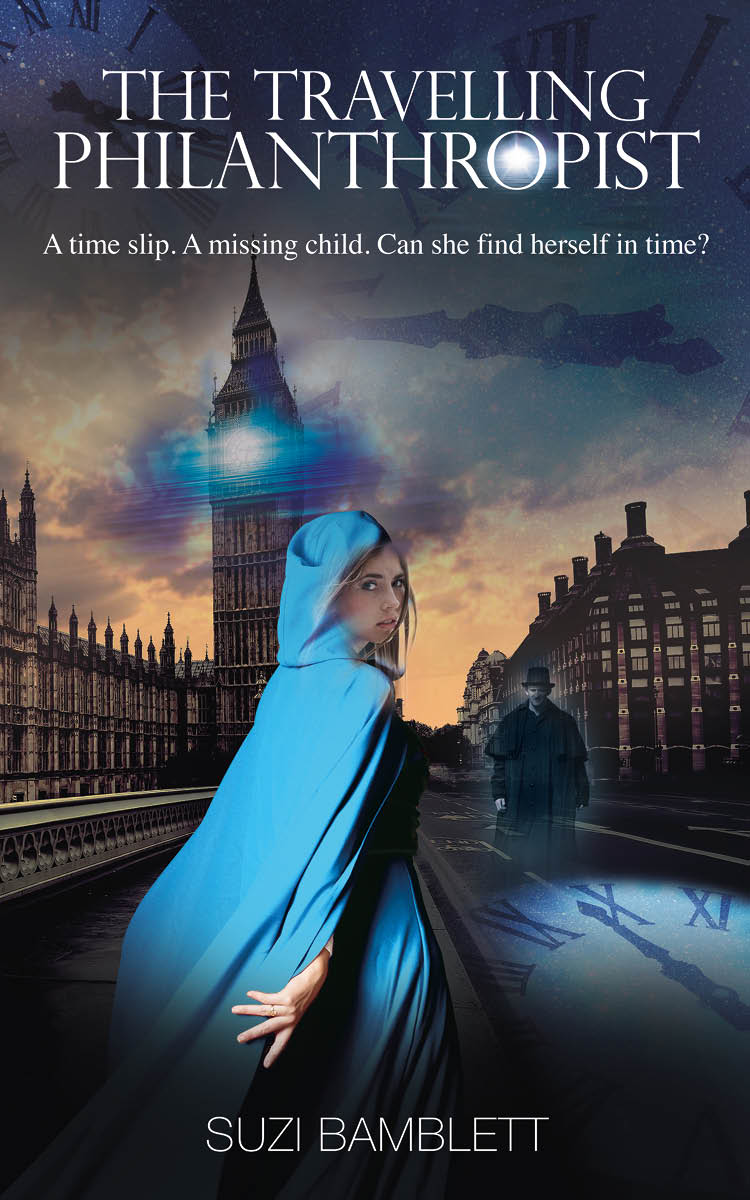
Great insight from Suzi Bamblett about writing a time-slip novel. The Travelling Philanthropist is a superb read and a fantastic introduction to Suzi’s novel writing. And what’s more, Suzi has a few more stories up her sleeve and hopes to release her next book later this year!
About Suzi Bamblett
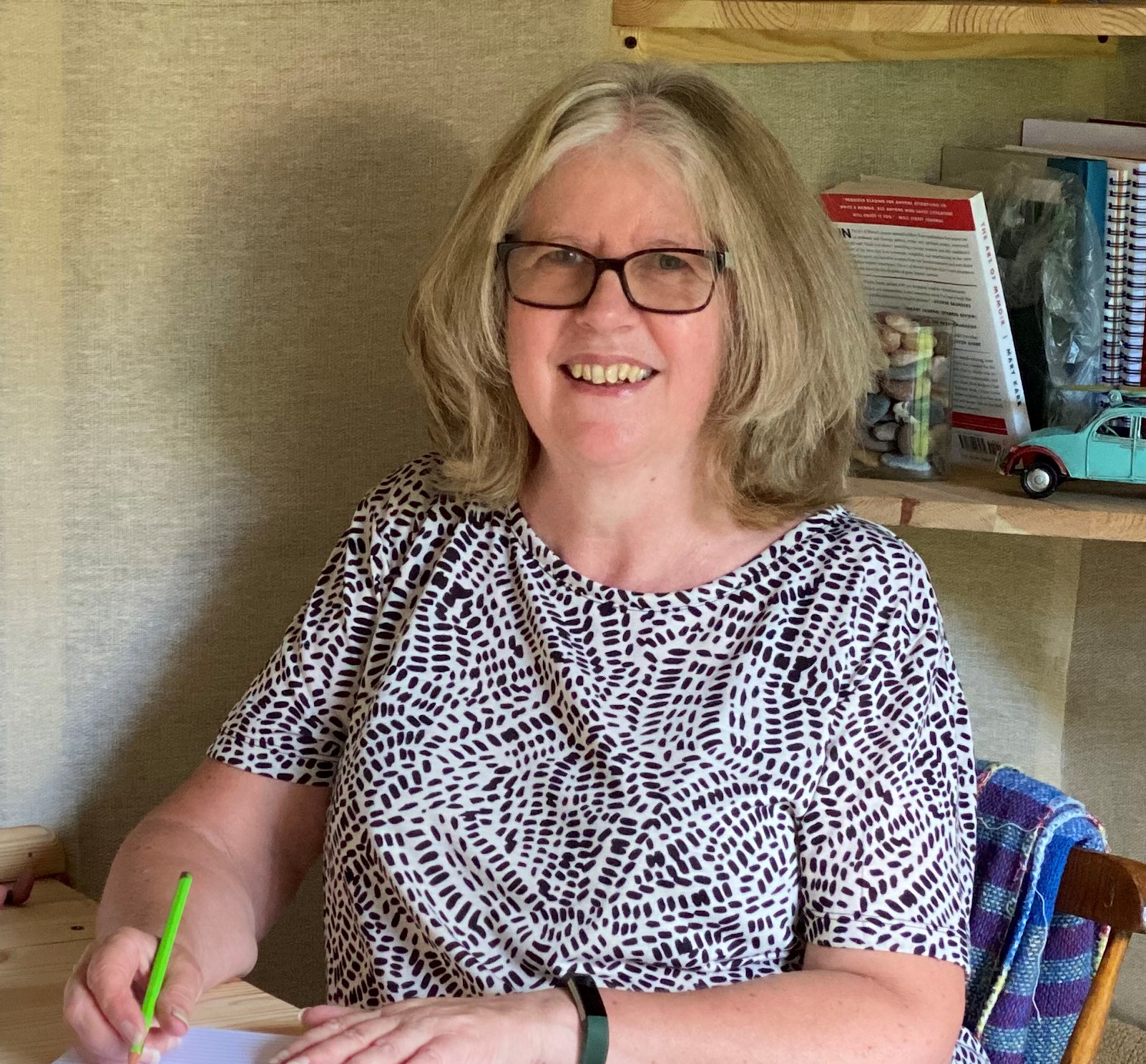
Suzi Bamblett graduated from Brighton University with a distinction for her MA in Creative Writing. Her Imagined Dialogue is featured on the Daphne du Maurier website. Suzi write psychological thrillers and suspense for YA and adults. Her poems and short stories have been published in three Brighton University Anthologies – Small Worlds (2014), Reflections (2015) and Resistance is Fertile (2018), and her short story, The Girl on the Swing, was published by Shooter Literary Magazine – Issue 11 Winter 2020 Supernatural. Besides writing, walking and generally ‘being creative’, Suzi is a proud mum, ‘hands on’ granny and bereavement befriender for Twins Trust.
Purchase a copy of The Travelling Philanthropist from HERE

Anna Shenton
It’s such a pleasure to have been invited Patricia, to join in the celebration of Indie Author Week on your wonderful blog. Thank you so much, I hope you, and all your followers enjoy reading about my journey so far.
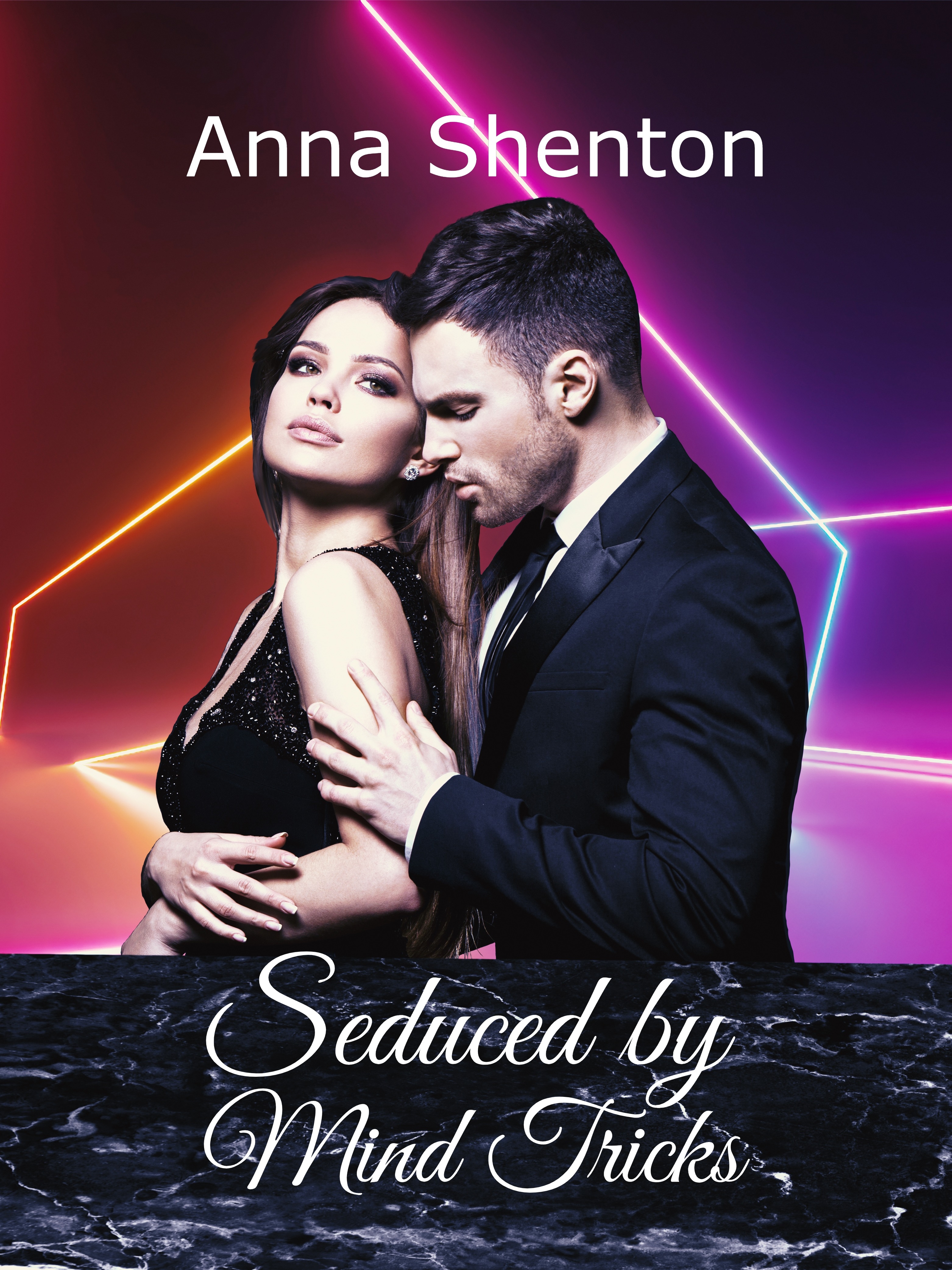
Initially, I fancied writing romance for Mills & Boon, so after much research and analysing I felt I had captured the desired requirements to join the publication. It took eighteen months to write my first romance novel, Seduced by Mind Tricks, which incorporated fictional characters and some life experiences. Satisfied I’d met the criteria, I forwarded my manuscript to Mills & Boon only to receive a positive rejection letter. “As much as we like this story and we think you have potential could you change some things, give it a polish, then resend?”
Sorry no, I didn’t want to change a thing, apart from dotting the i’s and crossing a few t’s. Therefore, I went on to self- publish. Was I right or wrong?
I believe each author has a desired motive. I longed to write and create stories, my stories. Also at my leisure, in my own style. So yes, I have made the right choice and feel lucky to have had the option to self-publish rather than trawl many agents, publishers and have all the pressure of meeting deadlines.

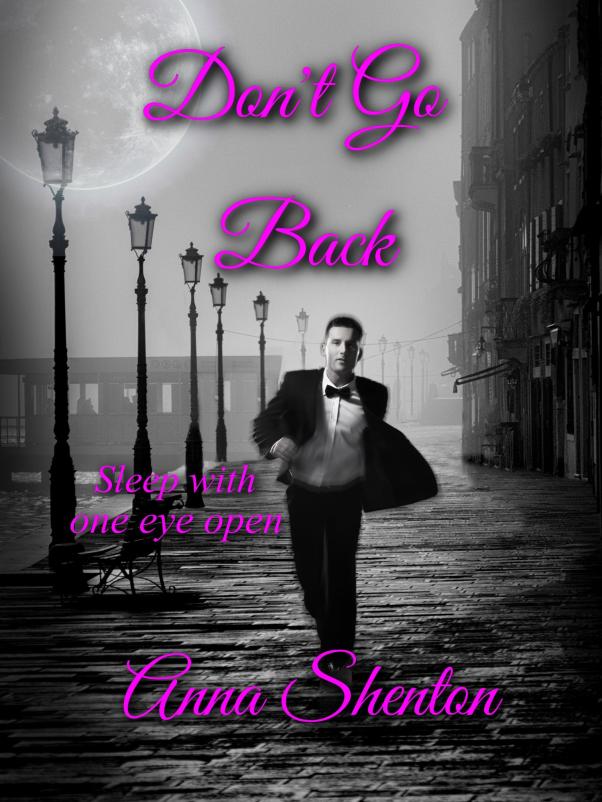
I’m content to have a steady readership, it suits my life style. Some wonderful feedback from readers spurred me on to write a two book historical novella series, Sleep With One Eye Open. Again, I made a decision to switch genre and had so much fun doing so. Research is a wonderful thing; I learnt and enjoyed the journey living in the 1900s. My characters did too and acted out their individual roles in a most amazing way, taking over the page and telling me what they wanted to do.
I hold my head up high, knowing I have done everything myself. Writing, creating, editing, formatting, print setting, book design, marketing and much more. It doesn’t come easy, much hard work is involved but if you want something enough, you too, can have a go at becoming an Indie author, it’s exciting and rewarding.
I invite you to spend a few minutes to look at all my books on the link below. I’m so proud of them all. And once again, handing back to the very lovely Patricia M Osborne for giving me this fabulous opportunity to join in the Indie Author Week, so appreciative and honoured to have so many wonderful author friends.
If you fancy a fast-paced read – you can find Anna Shenton’s books on Amazon HERE.
About Anna Shenton

Anna Maria Shenton from Staffordshire, World Poetry Day Prize Winner 2015 at Vind & Vag Publishing House.
Her boys flown the nest, Anna took a home study course which led to publications in various magazines, including Writer’s Forum. Anna’s flair to write continued into fiction where she enjoys creating many wonderful characters and story plots. Family life experiences are her book of inspiration, often creeping into her stories. She independently published her debut novel, short story collection, writing for beginners and novella series.
Anna loves to write from home and in her caravan when enjoying travels with her husband.
Purchase a copy of Anna Shenton’s books from HERE
 Patricia M Osborne