Please join me in congratulating poet, Samantha Terrell on the launch of her brand new poetry collection, Confronting The Elements. (JC STUDIO Press)
Confronting The Elements
Confronting the Elementsis a poetry collection by American poet, Samantha Terrell, which pays tribute to three of the four natural elements – fire, earth, and air – whilst exploring the spiritual and social impacts of the human relationship with the world around us. Confronting the Elements features all original (non-AI) cover art and watercolor illustrations by professional Scottish artist, Jane Cornwell. It follows Terrell and Cornwell’s collaborative illustrated chapbook, Keeping Afloat (2021), which showcases the fourth element – water.
Samantha Terrell is an internationally published poet whose books have received five-star reviews and accolades from her peers. Her poetry emphasizes self-awareness as a means to social awareness and can be found in: Dissident Voice, Dove Tales, Green Ink Poetry, In Parentheses, Misfit Magazine, Nine Cloud Journal, Paddler Press, Poetry Quarterly, Red Weather, and many other fine publications. Terrell is a wife, mother, and former manager in the nonprofit sector who writes from her home in upstate New York. Find her online at: http://www.samanthaterrell.com and on Instagram @honestypoetrybysamantha
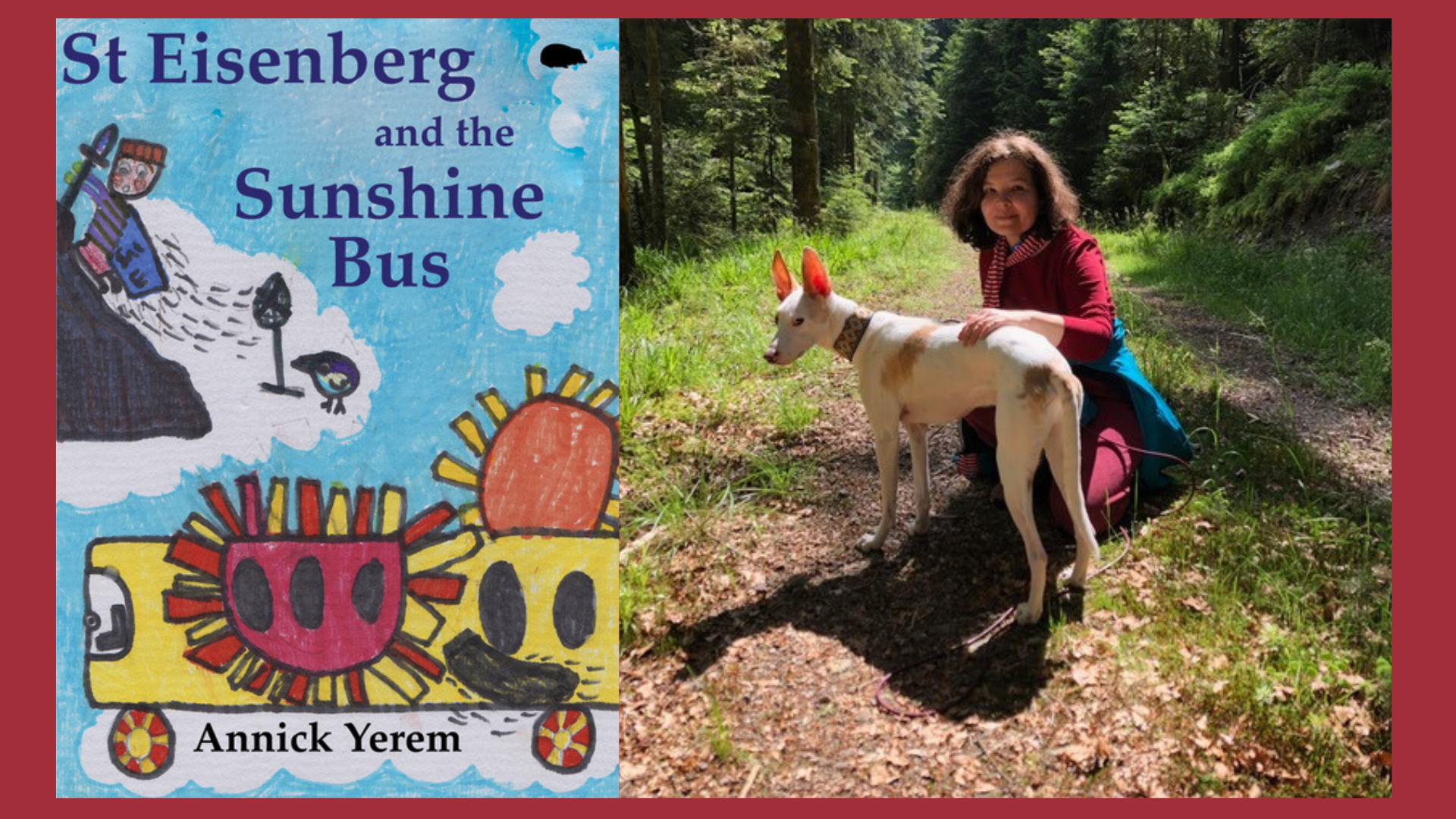
I’m delighted to invite Annick Yerem, a fellow Hedgehog Poetry Press poet, over to Patricia’s Pen for the first time. Annick is not only a poet but also founder of a new poetry press. She is here to tell you more about her writing so without further ado, it’s over to Annick.
My Writing
Annick Yerem
Thank you so much for inviting me, Patricia!
Writing found me again at the end of 2019. The year before, I had started taking care of my parents, who had both become very ill. The plan was originally to write a book about the German care system, how to apply for things, very matter-of-fact. But after one session with Nancy Wigglesworth, a wonderful coach, there was suddenly a poem in my head, called Things I Cannot Tell My Children. It was also the first time I wrote in English, not in German. I ended up on Twitter early 2020, made videos of readings and met Tanya Shadrick and Ankh Spice, the best mentors I could have hoped for.
The writing of my book, St Eisenberg and The Sunshine Bus, wasn´t a conscious decision at first, but most of the poems I wrote were about my father and it helped me to brave the situation which was heartbreaking and tragic. So at some point, I decided to tell a part of his story with this book and when The Hedgehog Poetry Press agreed to publish it, things fell into place. My father died in 2020, the book was published in 2022. It is more or less his eulogy.
To start the whole writing process again, which in my case is not stringent, but very haphazard, has meant a lot more than the writing itself. As a chronically ill person, I had become quite isolated where I live and the writing and what came with, changed all that in the course of the last three years. To be part of a community, to create something out of what felt hopeless and sad, has meant the world to me.
It also gave me the courage not only to write my book, but to found Sídhe Press in order to promote and lift up other poets’ work. It is something that I have found do-able as I can go ahead at my own pace. I have been fortunate to work with fantastic co-editors and poets like Mo Schoenfeld, Larissa Reid and Sarah Connor, with many more like Sue Finch to come. In 2020, I decided to walk through every door that opened for me, to try out everything and not be worried about failure, however that may be defined.
This has meant that at times, I have overwhelmed myself a little, but most of the time, it has been life-enhancing and so enriching. People can be dismissive about social media and tell you it´s not real. But we are, of course, real people and we can make real connections there that become part of our fabric and of what we work with and what we write about.
Looking at my bookshelves now fills me with immense joy: all these amazing people I have met that have entered my formerly solitary existence, all these words that they have given to me and that I have hopefully given to them. It is quite something to be a part of that.
About Annick Yerem
Annick Yerem is a German/ Scottish poet based in Berlin. She has an adult son and a senior dog. Annick has been published in wonderful places like iamb, The Dirigible Ballon, River Mouth Review, Eat The Storms, Open Collab and Anti-Heroin Chic. Her book, St. Eisenberg and the Sunshine Bus, was published in 2022 with Hedgehog Press UK. She is a member of the Flaming Flower Society and the EIC of Sídhe Press. Annick is a renowned cake spy.
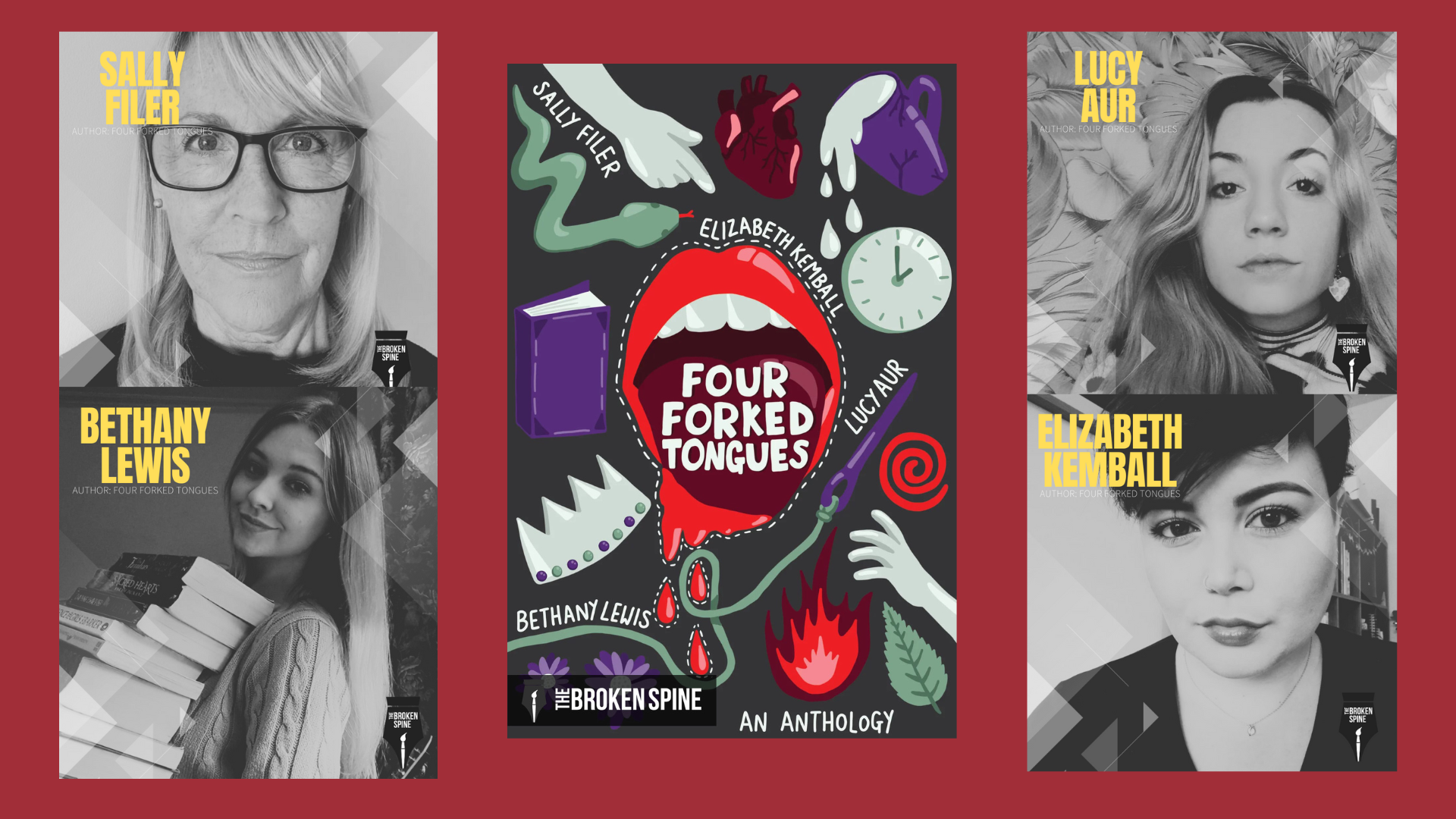
Congratulations to The Broken Spine on the launch of Four Forked Tongues. Four Forked Tongues is an anthology of four short stories exploring unreliable narrators, and themes of family, magic, and grief featuring four writers: Sally Filer – Bethany Lewis – Lucy Aur – Elizabeth Kemball
Four Forked Tongues
‘In a world where poetry is a curse, and silence is her only defence, Callie tries to find her voice.’
~~~
‘The past haunts the present as Meg is forced to return to her childhood home to live with her ageing parents. Can a rupture in time help her to fix her broken life and write a happier ending for herself?‘
~~~
‘What would you do if spinning a lie meant suffering in silence, but telling the truth meant suffering the consequences? Thea has a choice to make, and the weight of her kingdom is on her shoulders.‘
~~~
‘Words have weight and silence has a price. How do you tell someone you love them, when all you really mean is you miss them?‘
~~~
Four Forked Tonguesbrings together four new and unique voices in the fiction scene in one captivating collection.
The Broken Spine is a poetry and arts collective proudly published on the coastal edge of North-West England. Founded in 2019 by Alan Parry and Paul Robert Mullen – two school friends reunited after twenty years through a mutual love of poetry.
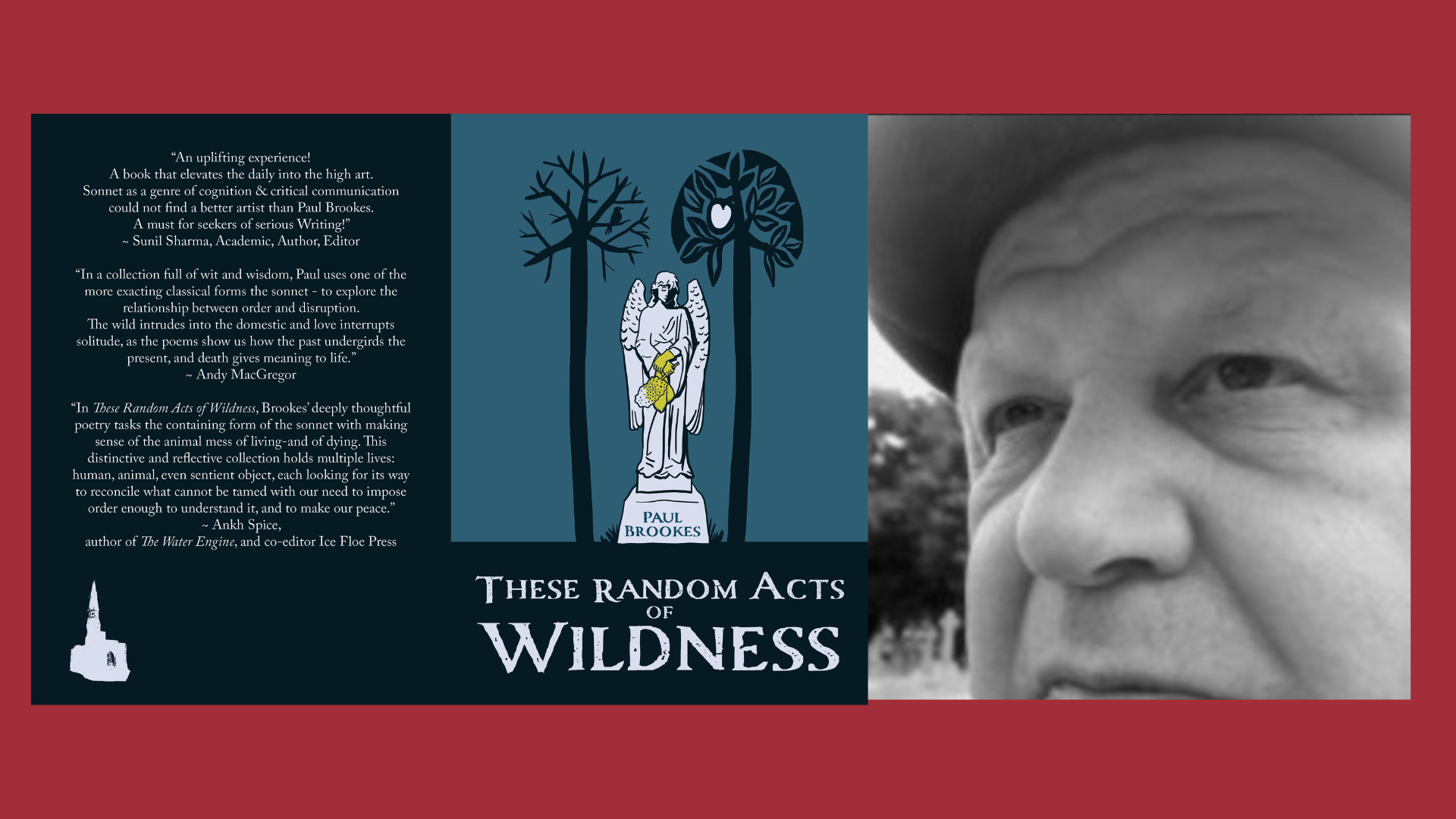
I’m delighted to welcome Paul Brookes back to Patricia’s Pen as he launches his new limited edition pamphlet These Random Acts of Wildness published by Glass Head Press (2023), founded by eminent poet Ian Parks. Without further ado, it’s over to Paul.
These Random Acts of Wildness
Paul Brookes
Wildlife Trust’s 30 Days Wild annual campaign in June encourages people to enjoy Random Acts Of Wildness. I set myself a challenge to write 30 sonnets using their prompts. More marvellous ideas can be found in Lucy McRobert’s marvellous book 365 Days Wild.
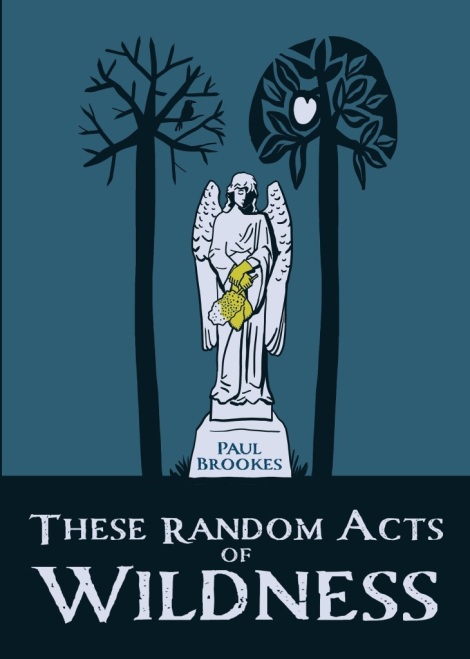
The wonderful cover of my book was designed by genius artworker Jane Cornwell. She used my photo taken of The Fallen Angel in Wombwell Cemetery wittily adding a yellow duster for it to hold, and adding my name to the angel’s plinth. The actual figure is the only white angel in Wombwell Cemetery and there is a sonnet about how it was discovered, raised up and broken wing restored in the collection. It is one of seven Wombwell Cemetery sonnets at the end of the collection.
My mam, not an overtly religious person was one of Dylan Thomas’ Tidy wives, espousing the creed Cleanliness is next to Godliness. Somehow inner cleanliness became outer cleanliness, perhaps encouraged by medical emphasis on germ free environments. Inside uncleanness became outside mess. Outer reflecting the inner. The wild became messy, chaotic and unpredictable. Domestic became organised, predictable and sensible. I explore where both meet.
Local writer and presenter Ian McMillan encouraged folk during lockdown to write sonnets. Giving it a go, it soon became a sonnet a day to give my creative muscle exercise.
Unconsciously, whilst writing sonnet formality, language formality edged up against wilderness, wildness, emotional vitality, and the energy of dialect and difference. These themes are taken on in more detail in this book’s sequel Othernesses published by J C Studio Press earlier this year which explores the lives of insects, arachnids, and marine life.
It forms the final book in a loose quartet, beginning with Wonderland in Alice: Plus Other Ways of Seeing continuing in As Folktaleteller.
Copies of These Random Acts of Wildness can only be bought direct from Paul Brookes as it is a limited edition with only 29 copies left out of 100. Only £5.00 plus p & p. The other three books are available on Amazon. Order your copy by messaging Paul on one of the following links.
I am proud to have two of my poems included in this gorgeous issue.
Tutankhamun: Wonderful Things
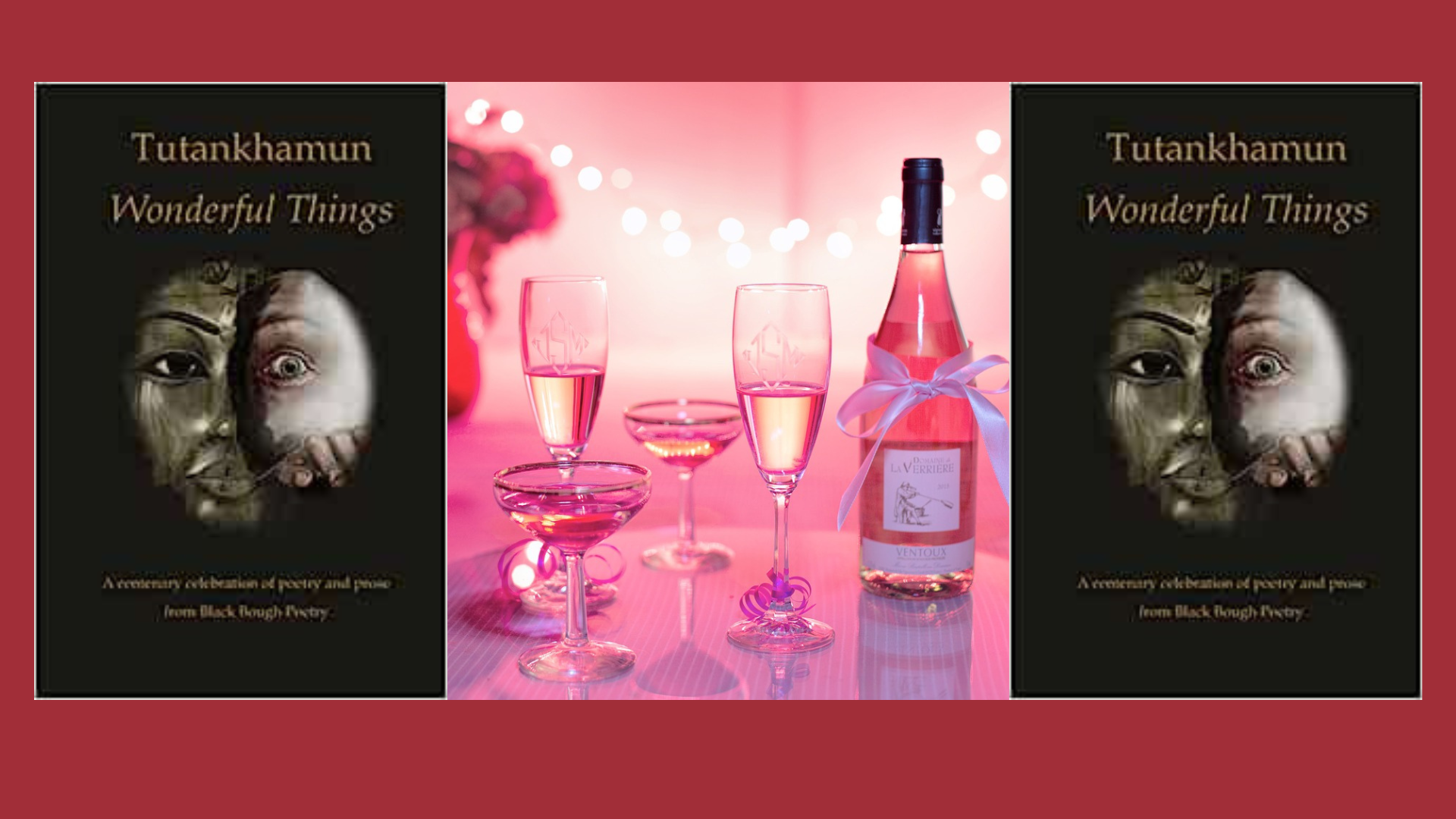
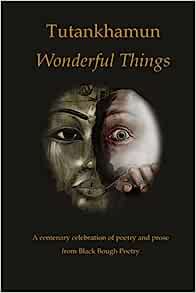
Black Bough Poetrycelebrate 100 years since the discovery of the tomb of Tutankhamun in the Valley of the Kings in 1922. Be moved, spellbound and transported by poems and prose from writers across the world; get inspired, too, by Rebecca Wainright’s illustrations and a stirring musical score online by Stuart Rawlinson.
Black Bough Poetry celebrate one hundred years of the discovery of the tomb of King Tutankhamun in the Valley of the Kings, Egypt, in 1922. This special edition includes illustrations by Rebecca Wainwright, a musical score by Stuart Rawlinson and is edited by Matthew M.C. Smith, Ankh Spice and Jack B. Bedell. Tutankhamun: Wonderful Things features prose and poetry from across the world. A collection of diverse voices with powerful, atmospheric, imagistic work taking you right there to the Valley of the Kings. Be prepared to be struck, moved and transported by this stunning collection!
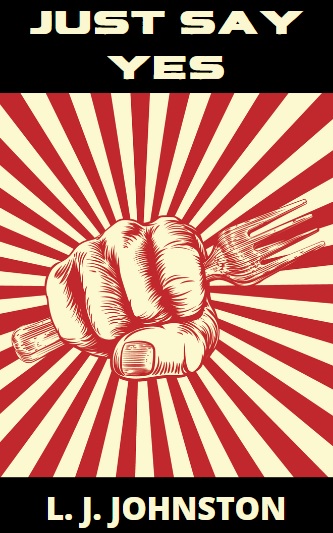
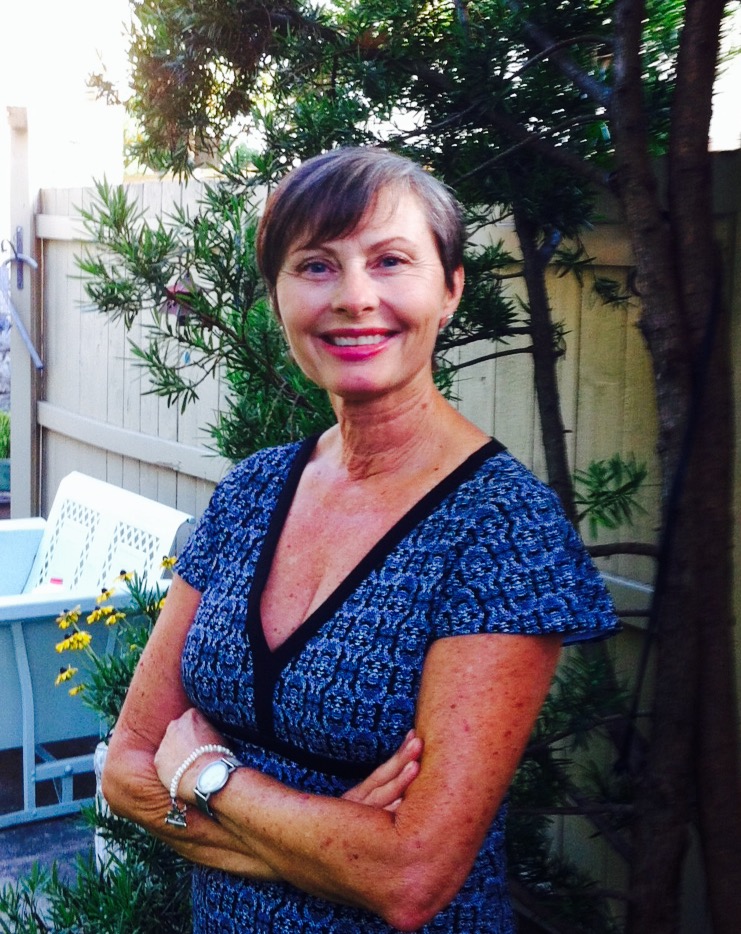
It’s a delight to welcome writer, L J Johnstone, all the way from Texas, to Patricia’s Pen. Lissa has come along to blog about her first book in a YA action trilogy, Just Say Yes. Without further ado, let’s go over to Lissa.
Just Say Yes – Book 1 in a YA Action trilogy
L J Johnston
Thank you, Patricia, for inviting me to talk about my YA action trilogy.
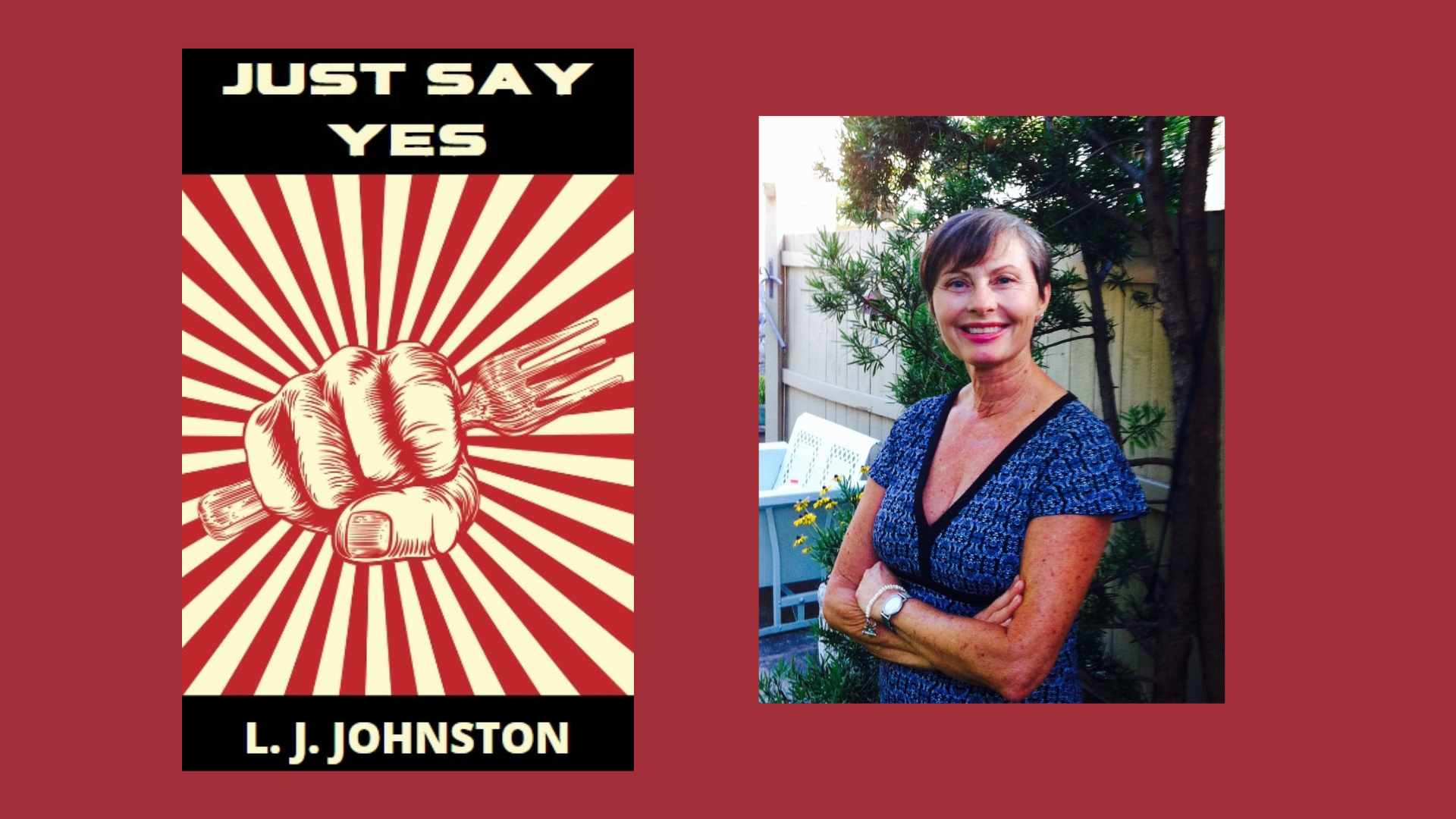
An unsuspecting teen is drawn into a resistance movement determined to expose a powerful but secretive group that is controlling the public through the food supply.
While it’s fiction, I sometimes wonder if I should also include ‘inspired by true events’. Because it certainly is.
Several years ago, I watched Morgan Spurlock’s documentary Super Size Me. Spurlock pledged to eat nothing but McDonald’s food every day for thirty days. He could order whatever he wanted, as long as he ate each item on the menu at least once.
At the time, I was still a fan of fast food. It’s probably no surprise that I was also 15-20 pounds overweight and on the verge of needing medication to treat high cholesterol.
WatchingSuper Size Me ended my McDonald’s days. I mourned their fries, but their other food was always mediocre in my opinion. So it wasn’t too hard for me to slam that door shut.
In Eric Schlosser’s eye-opening Fast Food Nation, I learned we wouldn’t even be able to stomach that mediocre fare if it weren’t for a handful of chemical factories located off the New Jersey turnpike working their fannies off to improve the taste of low quality food. Clearly there was more to the fast food business model than charming old-school marketing strategies like venting fast food kitchens in such a way that the aroma of burger patties and fries lures customers in like grizzlies to a salmon run.
In Michael Pollan’s most excellent The Omnivore’s Dilemma, I learned about the political shenanigans in the 1970s that drove thousands of small farmers out of business (and caused more than a few to commit suicide); and the link between today’s processed food behemoth and the obesity epidemic currently overburdening our health care system.
By the time I discovered Michael Moss’ Salt Sugar Fat, I was ready to go to war. It is truly despicable the lengths the processed food industry will go to addict and entrap us into unnatural consumption patterns. From Moss, I learned that many food industry execs migrated from the cigarette industry. Is it any wonder they are all about addiction, and value their bottom line over the health of the consumer? And the hypocritical icing on this very unhealthy cake: I learned many food industry executives will not even consume their own products. Oh, the infuriating irony.
So I crushed my fury into a tiny ball and compressed all that angry energy into determination to do something about this wretched state of affairs. But what can one person do against an army of corporate and political will?
Not much, I guess. I stopped drinking soda, stopped eating fast food, and started writing a book.
Lissa’s journey to becoming a writer began with some upper level history classes in college. Her first books via traditional publishing were non-fiction.
Recently she has turned her attention to fiction. She has self-published a middle grade historical fiction and a YA action trilogy.
Lissa lives in a small town in Central Texas with her husband and their cat, Fauci. When she’s not parked in front of a glass screen, she’s usually reading, or practicing Spanish, or bragging up their two adult children, or plotting her next Tex-Mex meal.
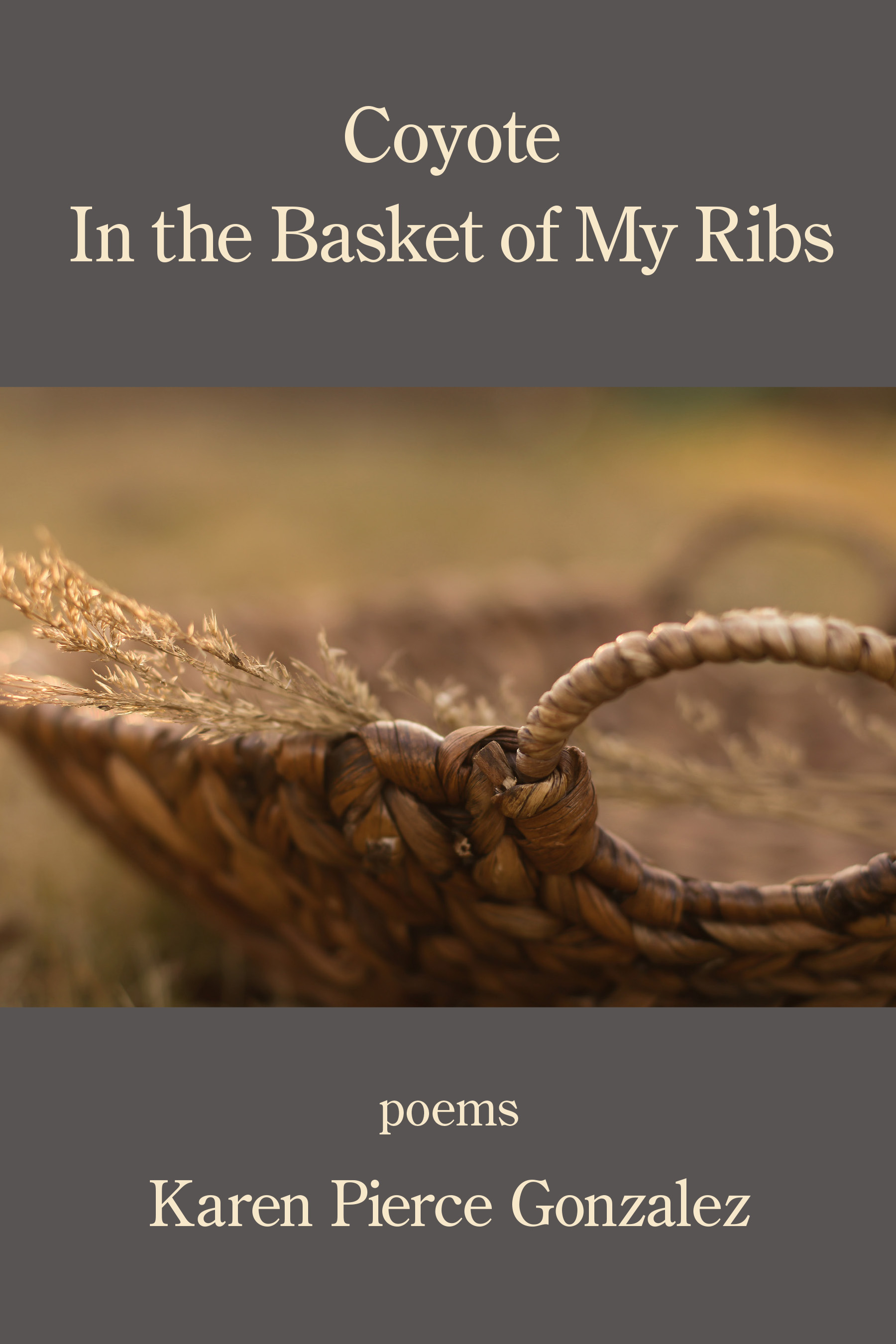
Patricia’s Pen is delighted to welcome poet, Karen Pierce Gonzalez as she celebrates the launch of her poetry pamphlet Coyote in the Basket of My Ribs published by Kelsay Books.
Coyote In the Basket of My Ribs
Karen Pierce Gonzalez
Coyote in the Basket of My Ribs was inspired by a long-held kinship I have with Coyote. Not the trickster most people think of, but the mythic messenger who travels between life and death with seamless ease. Little did I know that, as the collection came together, she would guide by example as I unearthed again regions of my own very difficult life/death terrain.
The loss of my sister Fortunee when we were children was one of those canyons. Her death, unfortunately, occurred in a car accident as she and my mother were driving to the store to get something for me. The many facets of this loss have stayed with me as has Coyote who knows the borders between ‘here’ and ‘there’ are as muted as the veils between light and shadow.
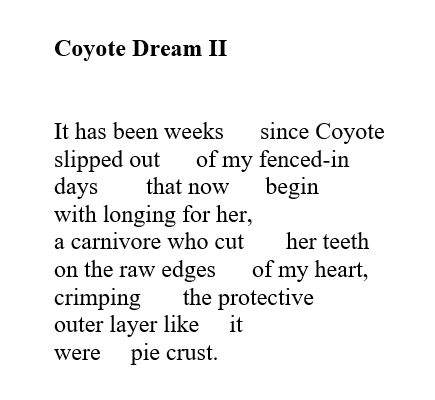
It was the Coyote Dream sequences (often emerging from meditative journeys) that wove together my fragmented sister/family memories. And it was Coyote who sometimes fiercely, sometimes gently taught me how to hold what I love by letting it go so that I could live.
Signed copies and Northern California bird feather as bookmark are also available by contacting Karen directly: kpgfolkheart@gmail.com
About Karen Pierce Gonzalez
Karen Pierce Gonzalez’s writing credits include True North (Origami Poems Project 2022), Coyote in the Basket of My Ribs (Alabaster Leaves Press/Kelsay Books 2023), Down River with Li Po (Black Cat Poetry Press 2024). Her poetry, fiction and non-fiction (including journalism and folklore) have appeared in local, national, and international radio shows, publications and podcasts, and her short plays have been staged at local fringe festivals. She has earned several awards (California Writers Association, San Francisco Pen, Redwood Writers, etc.) and has been nominated for Pushcart Prize and Best of the Net. A National Arts Program featured artist, her 3D assemblage art has shown in several west coast galleries and has appeared in several literary magazines.
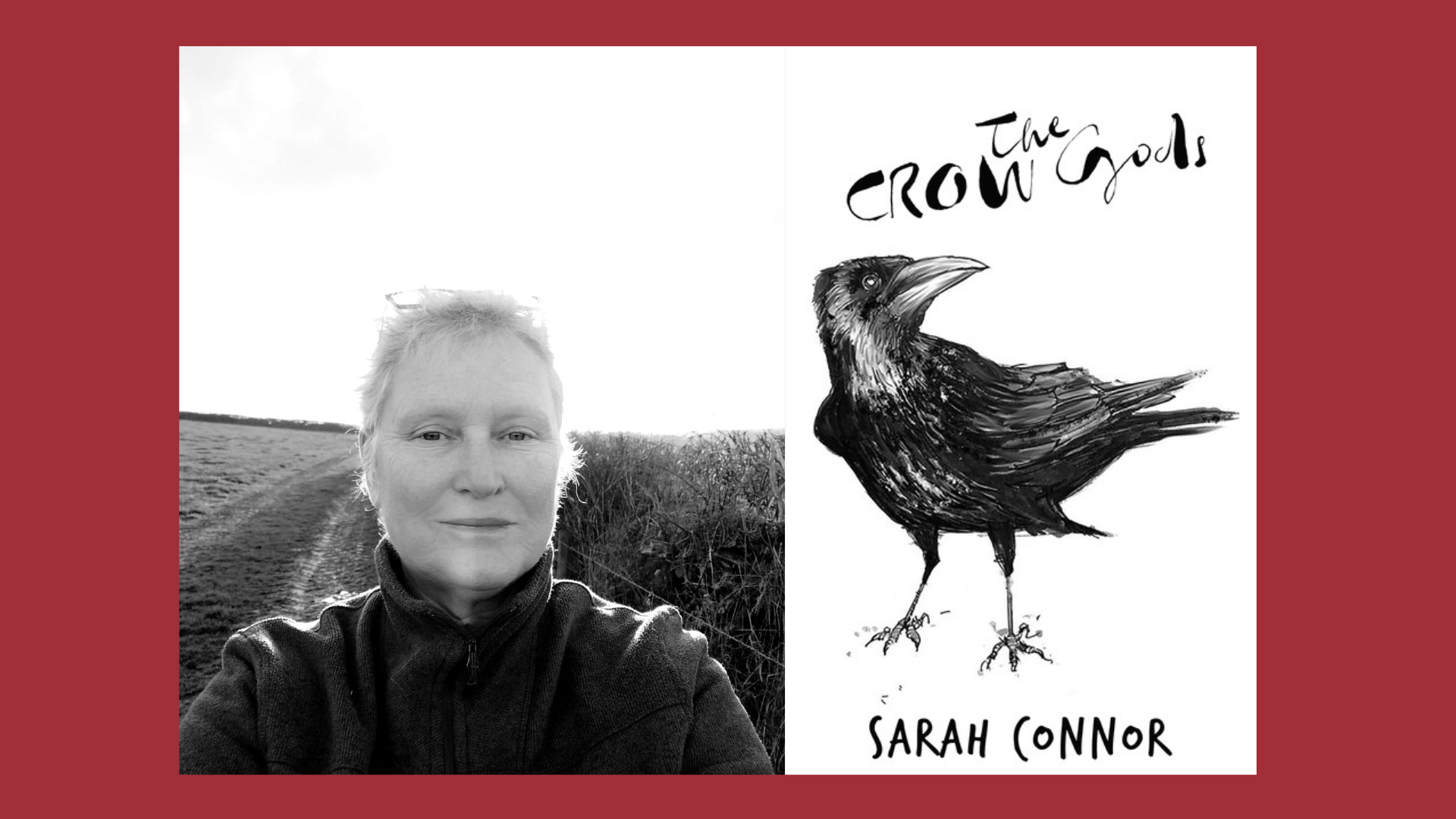
Patricia’s Pen is delighted to welcome poet, Sarah Connor as she celebrates the launch of her pamphlet The CrowGods published bySidhe Press. Without further ado, it’s over to Sarah.
The Crow Gods
Sarah Connor
When I was planning how to arrange the poems in my chapbook, The Crow Gods, my editor – Annick Yerem from Sidhe Press – pointed out that the vast majority of them were markedly seasonal. I hadn’t really thought about that before, but once she’d said it, it made absolute sense. We played around with a few options, but in the end, that’s how we arranged them, as a seasonal cycle, pinned in place by the Celtic cross-quarter festivals – Imbolc, Beltane, Lammas, and Samhain. These are points in the year that have significance for me, that, yes, make sense as markers in the annual cycle. I don’t actively celebrate them, but I’m aware of them – an itchiness at the back of my soul.
Where did that awareness come from?
A few years ago, some Jehovah’s Witnesses moved to become our new neighbours. I don’t know much about their beliefs – I know Witnesses don’t allow blood transfusions, and that they don’t celebrate Christmas or birthdays. When I explained that to my daughter, she was horrified. Why would you join a religion that had fewer celebrations? Why don’t we have more? We played around with ideas for new celebrations for the rest of that car journey, and then moved on to whatever came next. Tea, probably. Homework.
A little while after that, I heard an actual druid talking on the radio about the druidic year. He pointed out that druids mark a celebration every 6 weeks. My daughter had provided the hook – I hung that fact on it, and it stuck in my head. I read a bit more, and then I was lucky enough to be offered some space at earthweal (thank you, Brendan) to explore the quarter festivals more fully.
They are my festivals – the ones that make sense – the times when the year shifts for me. January 1st is a terrible time to start a new year. Imbolc, at the start of February, when green shoots are pushing through the soil and there’s a greenish pre-bud haze developing in the hedgerows – that feels like a shift. Beltane is another shift: the start of May – everything’s bursting with life, summer’s within touching distance. Lammas, August – I can see the crops being harvested. August has a different feel to June and July – the nights are longer – that giddy summer feel shifts into something dustier, grittier. And Samhain: the clocks have changed, winter’s here. We’ll be heading home in the dark, looking for warmth and comfort. These seem like natural shifts in the year to me.
The other thing that has added to this sense of time is lockdown. Those weeks of being trapped in space. Weeks of walking the same walks, within that narrow radius. Weeks when I found myself unable to look wider and started looking deeper. A few months after we all started breathing again, I entered my own personal lockdown: chemotherapy. Eighteen months of being limited. It was hard to travel, hard to walk any distance. It was really hard to be creative. I spent a lot of time looking out of the window, or tottering a few hundred metres up the lane. It was a difficult time, I’m not going to lie and say it wasn’t. It was no gift. But it did give me an opening to go deeper. When you look at the same view every day you really notice that the leaves on the crab-apple are a couple of millimetres further along than they were last week. You spot the first blossom, the first daffodil. Suddenly, there are no starlings. In a few month times, suddenly, they’ll be everywhere, clotting the telegraph lines and wheeling over the river. The rooks are carrying twigs up into the treetops. The swallows have arrived.
I suppose the value of working with somebody else is that they see things that you don’t. They can step back and see the bigger picture, the pattern in your work that you might be too close up to see. I certainly had never thought of myself as a temporal poet, the way some poets might be urban, or pastoral, or surreal. I can’t imagine having a sense of place without having a sense of time. Once you’re away from the equator, places change so much as the seasons change. A place you only know in winter can be unrecognisable in summer. I spend a lot of time in my writing exploring those changes, trying to capture the feel of a season. I write to capture emotions and sensations, and for me they are utterly bound to the moment, the time in which they happened.
About Sarah Connor
Sarah Connor was brought up in South Yorkshire and now lives in North Devon. She spent her working life as a Child Psychiatrist. She has two adult children and one husband.
Sarah was diagnosed with breast cancer in 2008, and in 2012 discovered she had spread to her lungs and bones. She originally started blogging as a way of exploring her feelings about her diagnosis. When she began writing poetry she tried to keep these two worlds separate, but eventually realised that cancer invades everything.
Writing has enriched her life so much. She has been published in numerous publications, including Spelt magazine; The Storms; anthologies from Black Bough, Experiments in Literature and Sidhe Press. She is a regular writer of prompts at dVerse, and is still hanging about on Twitter.
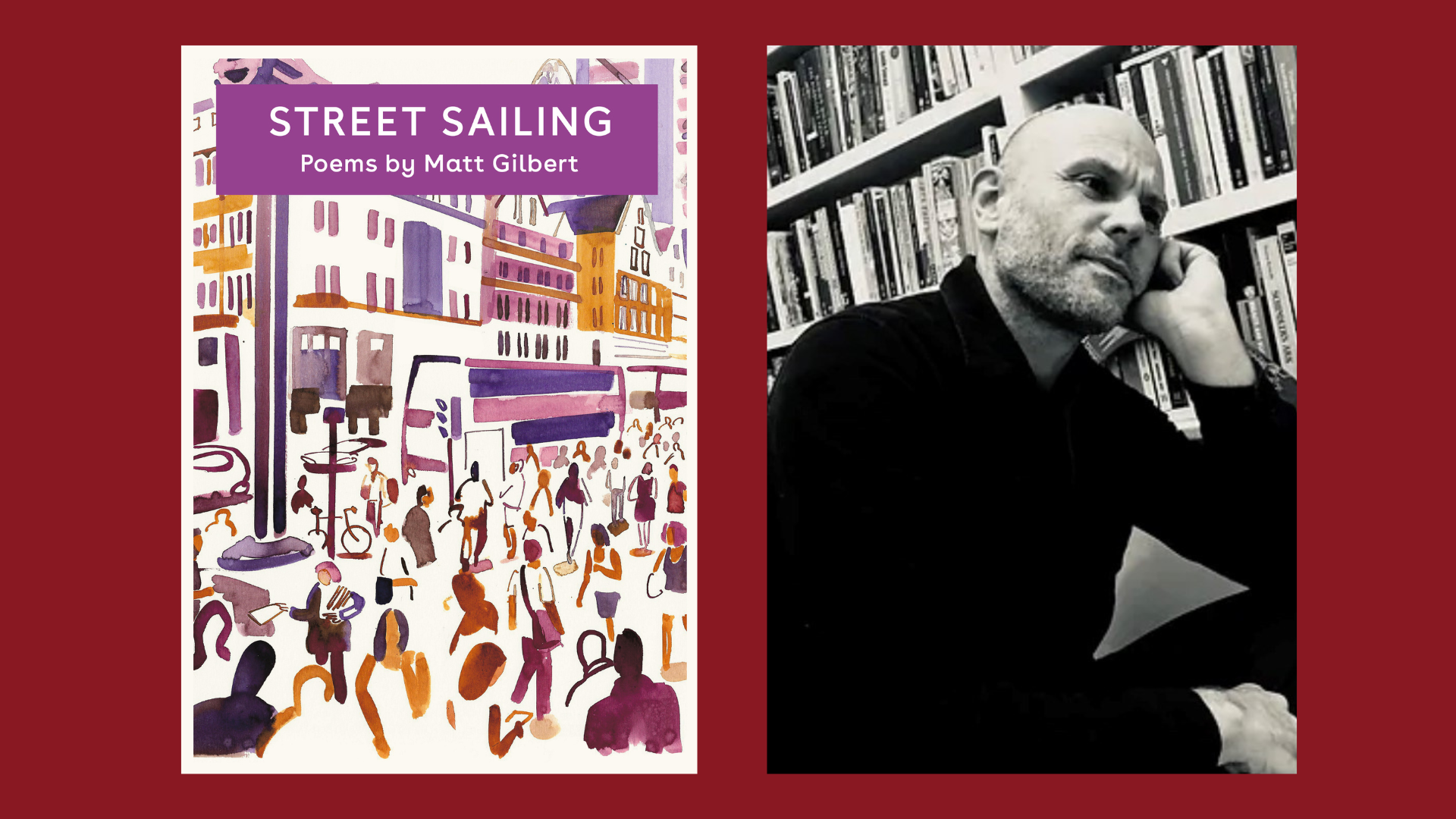
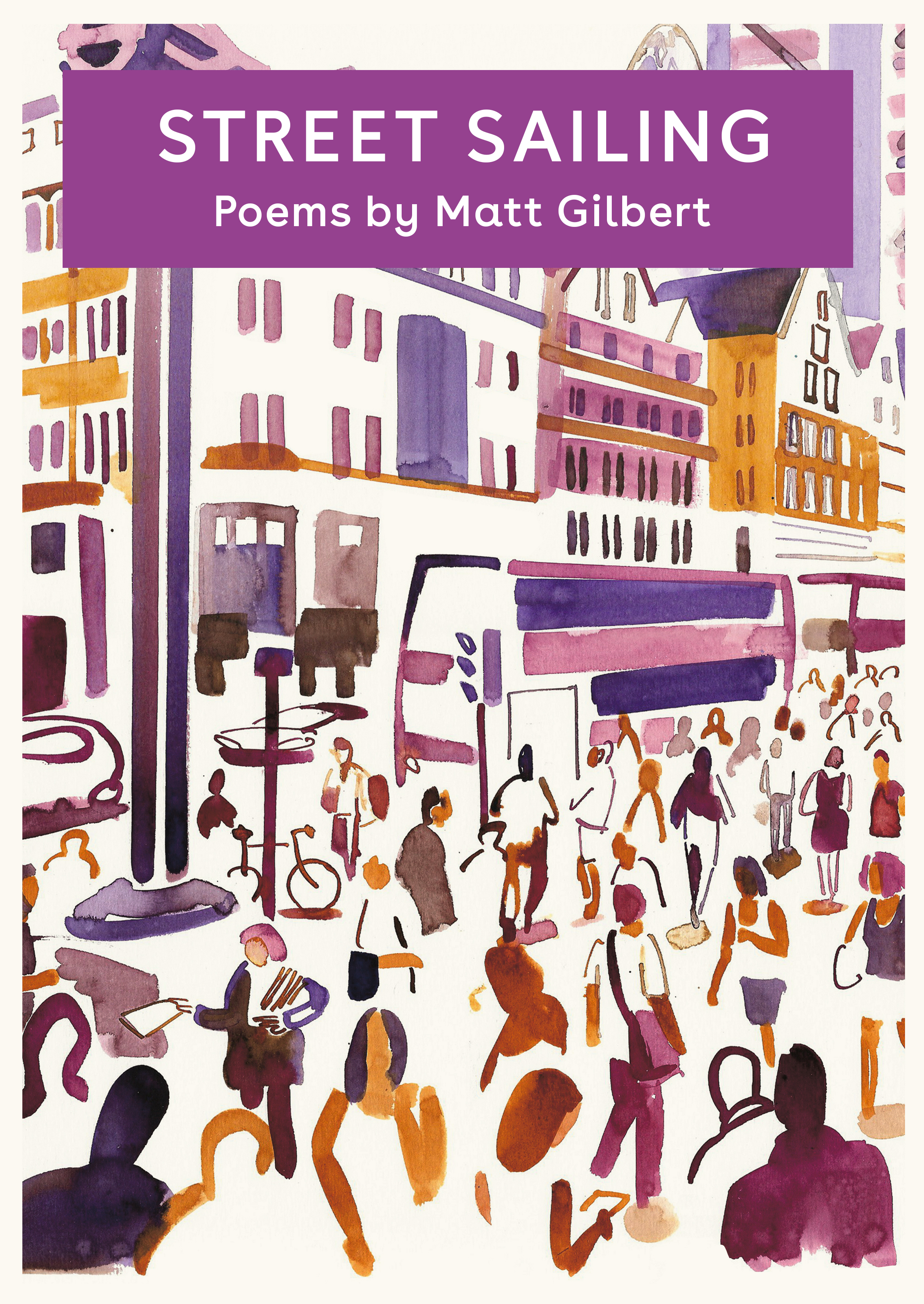
I’m delighted to feature poet Matt Gilbert on Patricia’s Pen as he celebrates his brand new poetry collection Street Sailing published by the awesome Blackbough Poetry.
Street Sailing
Matt Gilbert
Thank you, Patricia for inviting me into your space to talk about my debut collection, Street Sailing published by editor Matthew M C Smith atBlackbough Poetry.
Street Sailing is the unexpected, but very exciting product of a return to poetry for me, after a long pause. I stopped writing poetry for a long time, for a number of reasons, but then towards the end of 2019, tentatively began to see if I still had any poems in me.
Turns out I had.
The majority of poems in the collection are inspired by different places and the lives and creatures – human and otherwise – encountered in them. More often than not, my settings involve the streets, parks and neighbourhoods of South East London where I live. Although several poems are set elsewhere, including my home town, Bristol.
Since I was little, I’ve always been fascinated by the idea of ‘place’: what are the qualities that make somewhere distinctive, itself. Why is it the way it is? What is its history? What makes it tick?
In part, this interest was fuelled by early avid reading of supposed true ghost stories – local hauntings, folklore, myths and legends. Also, since childhood, like so many others, I’ve delighted in seeing and encountering animals, insects, trees and particularly birds. The poems in Street Sailing bring various combinations of these things together.
There can be a tendency to see ‘nature’ and ‘humanity’ as though we live in entirely separate realms, which in reality we don’t. So, a lot of my poems play with ways in which we humans, I, the poet figure – interact with other beings; from foxes, grasshoppers and goldfinches to possible supernatural entities – at home, on streets, in woods, fields, shorelines or sometimes through time.
If I had to sum up, what I’m aiming to do, I suppose I’d say I set out to explore the strangeness of the apparently everyday. The sometimes, jarring weirdness of a suburban street, or the eerie in a local park. To nick a phrase from myself in another blog, I want to find the extra in the ordinary – and steal it to put it in a poem.
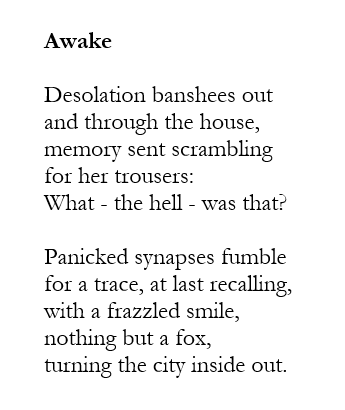
Here is a sample poem from the collection.
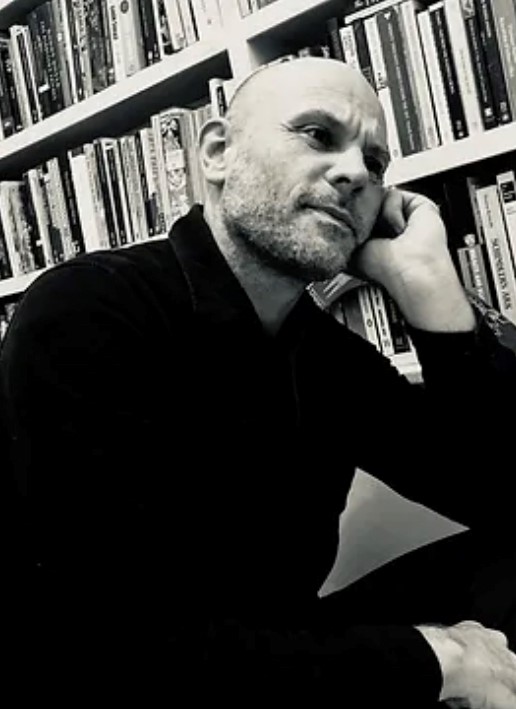
About Matt Gilbert
Matt Gilbert is a freelance copywriter, who also writes a blog called Richly Evocative, about place, books, poetry and other distractions. He grew up in Bristol, then studied in Nottingham – which, when he arrived, he thought was ‘the North’. He was soon disabused of this notion. On graduating, he decided to try living in London for a couple of years – which have somehow become decades.
His poetry has appeared in a wide range of magazines, online journals and anthologies. In September 2022 he was Black Bough Poetry’s poet of the month as part of their Silver Branch series.










 Patricia M Osborne